Oklahoma House passes bill to replace apportionment formula with single-sales factor formula
The Oklahoma House of Representatives passed a bill to replace the three-pronged apportionment formula that the state uses to calculate corporate income tax.
OKLAHOMA CITY (OBV) – The Oklahoma House of Representatives passed a bill to replace the three-pronged apportionment formula that the state uses to calculate corporate income tax.
House Bill 1375 replaces the three-pronged apportionment formula with a single-sales factor formula. The Oklahoma House passed the bill on Monday with a vote of 78 to 14.
Oklahoma’s apportionment formula consists of sales, payroll and property weighted equally and a throwback rule which takes out-of-state sales and lumps them into a corporation’s Oklahoma income when the corporation makes sales in a state that does not tax the income. The sales part of the current formula can be 50 percent for companies making an investment of $200 million or more into the state.
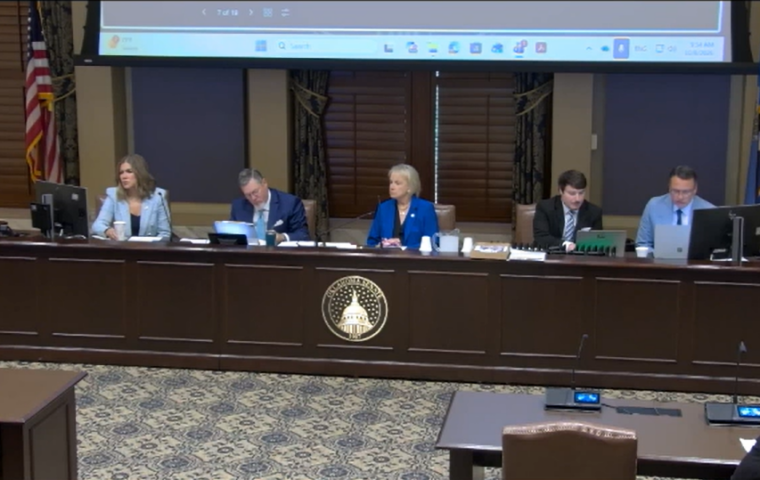
“You’re assessed for all of the sales you do in the state, but you get a one-third offset in Oklahoma, so companies pay taxes on more than 100 percent of their income, which is unfair for the companies,” Rep. Jeff Boatman, R-Tulsa, the bill’s author, said on the House floor.
The single-sales factor formula only calculates in-state sales.
The bill, however, allows qualified corporations with property investments, improvements or expenditures totaling $100 million or more over a three-year period to continue apportioning through the three-factor formula, with the three factors weighted equally.
Twenty-eight states use the single-sales factor formula, including Indiana, Illinois and North Carolina.
The state will switch over to the single-sales factor formula in tax year 2024, if the bill passes the Oklahoma Senate and is signed into law by Gov. Kevin Stitt.
Switching to the single-sales factor formula will likely cause an initial decrease in state revenue due to the reduction in tax collections, according to Boatman.
“But we should see a significant increase in collections over time,” he said.
The bill next moves to the Senate for consideration.