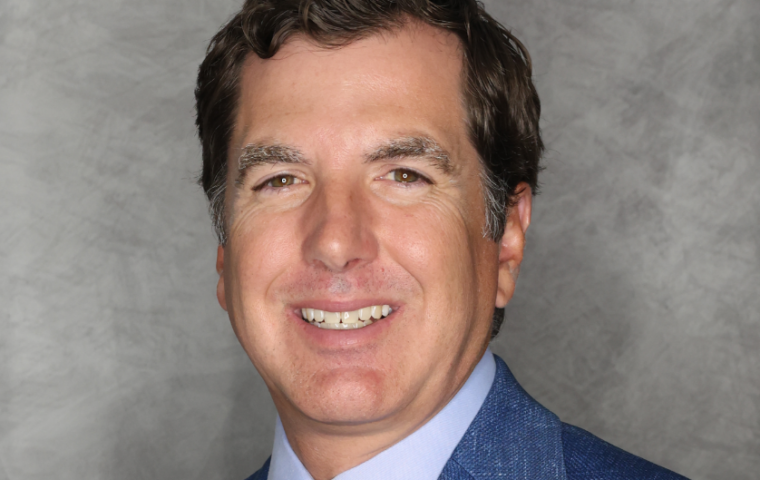
Kane backs update to Oklahoma’s incentive‑review process
HB 3942 and SB 1990 strengthen transparency and require deeper analysis of economic incentives, which Rep. John Kane says will keep state policy aligned with shifting industries and strategic goals.

OKLAHOMA CITY (OBV) — Rep. John Kane says a pair of incentive-evaluation updates moving through the Legislature would strengthen transparency, clarify strategic goals and ensure Oklahoma’s tax tools keep pace with economic changes.
HB 3942 and SB 1990 refine how the state reviews economic incentives by adding new reporting requirements and expanding the analysis the Incentive Evaluation Commission must conduct each year. The bills require comparisons to other states, assessments of whether incentives align with Oklahoma’s long-term economic strategy, and clearer evaluations of whether programs actually influence business behavior.
Kane said the legislation builds on a framework created in 2015, when lawmakers established the state’s formal incentive-evaluation process. He said the system has performed well over time and that the new bills simply codify practices that have already proven valuable. According to Kane, understanding whether incentives achieve their intended results is essential before the state continues investing in them.
“If we’re going to give tax incentives, it’s imperative that we understand what the benefits are coming to the state,” he said. “Are we accomplishing what that tax incentive was set up to accomplish?”
He emphasized that reviewing incentives against shifting economic realities is critical. Kane said some programs that were strong fits decades ago may no longer serve the state’s strategic needs, especially as industries rise and fall. He pointed to aerospace as an example of how targeted, long-term economic planning can pay off.
“Who would have dreamed aerospace would be where it is today,” he said, noting the industry’s growth from an aspirational goal into a major economic driver.
The legislation also strengthens the link between evaluation and decision-making. Kane said the updated reports will now move directly to the Legislative Office of Fiscal Transparency, giving lawmakers a clearer picture of whether programs create measurable economic returns.
The goal, he said, is to ensure incentives are held to the same standards as any other public investment.
“It’s transparency and accountability,” he said, adding that updating the process does not imply past policies were mistakes. Instead, he said the state must be willing to adapt when conditions change.
Kane noted that welldesigned incentives can drive job growth and investment, but only if they continue meeting strategic objectives. He said lawmakers need reliable data to determine when a program has reached the end of its useful life. “If they don’t, we need to know, and we need to say we’re not doing that one anymore,” he said.
He described the bills as modest but necessary adjustments to keep the state’s evaluation framework current. In his view, modernization helps lawmakers ensure they are “still doing things right today that you started many years ago.”
HB 3942 has passed the House, and SB 1990 has passed the Senate. Both measures continue through the legislative process.