“Are we for education or against it?” Pugh presses Senate on HB 3372
The bill creates new charter-school facilities financing tools, including a revolving loan fund and a bond credit enhancement program with a State Aid intercept mechanism.
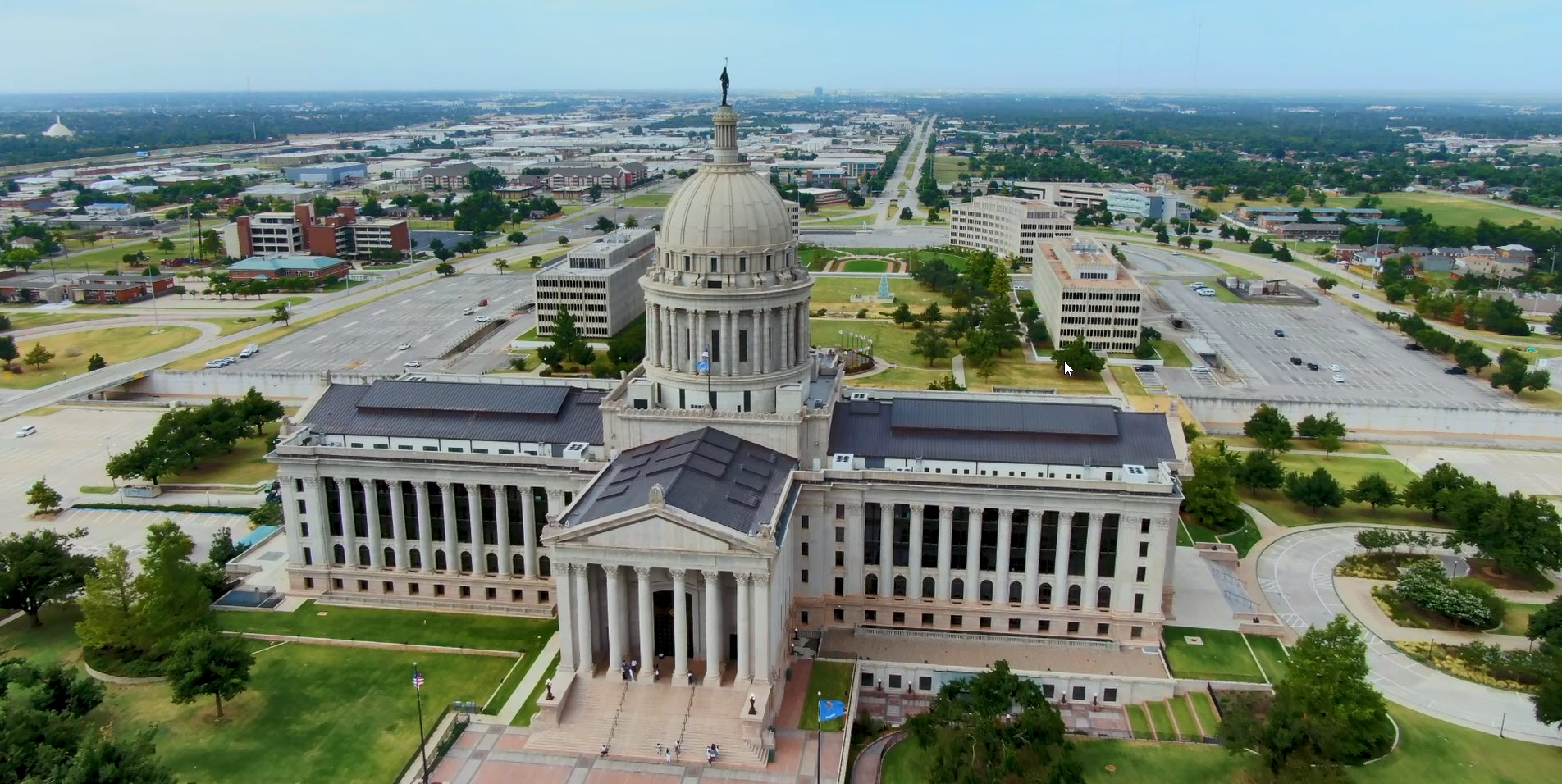
OKLAHOMA CITY (OBV) — The Senate advanced House Bill 3372 Thursday, approving a charter-school facilities financing package after Sen. Adam Pugh framed the vote as a broader test of whether lawmakers “care about education” across delivery models—and argued that treating charter facilities differently from other public spending is inconsistent.
HB 3372 establishes a revolving loan fund and a bond credit enhancement program to help qualifying charter schools finance facility purchases, construction and renovations. It authorizes the Statewide Charter School Board to run the loan program and hire a third-party financial administrator, creates a State Aid intercept for scheduled debt payments, caps participating bonds at $250 million in outstanding principal, and takes effect Nov. 1, 2026.
Presenting the bill, Pugh described it as a capital-access fix for charter schools that lack traditional local financing tools.
“House Bill 3372 creates a revolving loan fund program for charter school capital expenditures,” Pugh told the chamber, describing a revolving fund structure aimed at supporting facility investments as enrollment grows.
During floor debate, Sen. Carri Hicks questioned whether public dollars could improve privately owned buildings and what protections exist if a charter later leaves a facility.
Pugh acknowledged that privately owned facilities can be part of charter school arrangements—including leases, lease-to-own structures and other contractual relationships—and said documentation goes through the Statewide Charter School Board as part of approvals.
Opponents argued the bill creates risk by directing taxpayer-backed financing toward property the public does not own. Sen. Carri Hicks said the proposal would “set aside” public money to improve buildings “that the public doesn’t own” and raised concerns about oversight and exposure.
“Why do we have to pick on kids who come from families that maybe live in a system that doesn’t work for them? Why?” Pugh said. “Why do we have to keep pretending, like, a system designed in the 1860s is what we need in the year 2026. I’m sick of it. There’s 750,000 kids in the state of Oklahoma that have a right to an education, period. It doesn’t matter what their families choose. We should support it so that they can be all that God’s called them to be.”
Pugh then used his closing remarks to push the debate beyond facility mechanics and into a broader argument about what forms of education the state should support.
“Are we for education, or are we against it?” Pugh said, adding that education should not be treated as acceptable only “in the manner that this body sees fit.”
“Whether that’s home school, private school, charter school, micro school, traditional public school, virtual charter schools, brick-and-mortar charter schools—is education good for kids, or isn’t it?” Pugh asked, before delivering the line he returned to repeatedly: “Either we care about education or we don’t.”
Pugh also challenged the notion that public dollars must only support publicly owned assets, drawing comparisons to other public spending.
“I’ve never heard anyone complain when we send Medicaid dollars to hospitals. The state doesn’t own those hospitals,” he said. “So it is bizarre to me that all of a sudden we bifurcate.”
In a blistering closing appeal that underscored the tone of his remarks, Pugh said, “I honestly cannot believe someone would vote no on this bill. I can’t believe it. I think it’s borderline immoral,” before adding, “I’m frustrated, and I apologize for my passion on this issue.”