Edmond restaurant owner says SQ 832 could hurt small businesses
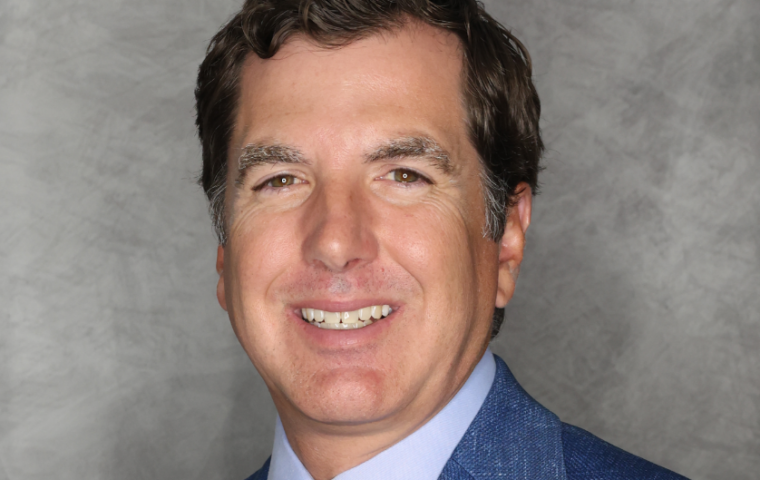
Frank Santori, minority owner of Pho Bistro in Edmond, said the proposal would force difficult decisions on prices, jobs and restaurant operations.
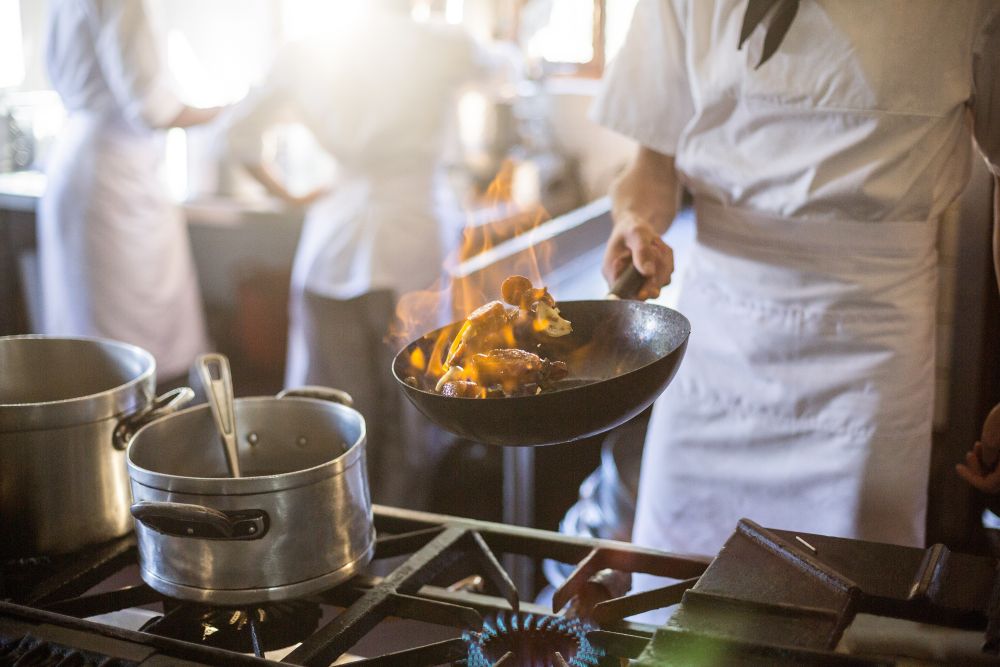
OKLAHOMA CITY (OBV) — Frank Santori says State Question 832 is not an abstract policy debate for his family’s Edmond restaurant.
It is a question of whether small businesses like Pho Bistro can continue absorbing higher costs without raising prices, cutting jobs, or changing how they operate.
Santori, a minority owner of Pho Bistro in Edmond, said the restaurant has been operating for more than eight years and was started by his son and daughter-in-law, both immigrants, as part of their family’s pursuit of the American dream.
“My son’s an immigrant. His wife’s an immigrant. They started this restaurant because they had a dream,” Santori said. “It’s been in operation here in Edmond for eight-plus years. It has weathered competition, new thoughts, everything else. We are not luxurious, but we come by it honestly.”
SQ 832 will appear on Oklahoma’s June 16 ballot. The measure would raise the state minimum wage to $15 per hour by 2029 and then tie future increases to CPI-W, a federal inflation index.
Santori said Pho Bistro already pays employees above the current minimum wage because the restaurant has to compete for workers in a tight labor market.
“We pay our people much more than minimum wage,” Santori said. “If we didn’t pay our people much more than minimum wage, we wouldn’t be able to attract people.”
But he said the problem with SQ 832 is not only the initial wage increase. It is the ripple effect across the business, including wage compression, menu prices, staffing decisions and long-term planning.
“It’s going to ruin our business or force us, if this comes about, to stop tipping or allowing our waitstaff to get tips,” Santori said. “We’re just going to have to throw it all back in the till. We run on a small margin, an absolute small margin, but we get by, we pay our bills.”
Santori said the restaurant faces the same pressures many small restaurants face. Sales taxes and payroll taxes take up a portion of every dollar, and food costs consume a large share of revenue. He said the restaurant keeps costs down by purchasing and hauling food directly rather than relying entirely on distributors.
“Forty cents of every dollar, which is a little bit high for a restaurant, goes to food because I actually buy the food and haul it at age 66 and a half,” Santori said. “So does my son.”
He said Pho Bistro has avoided raising prices even as tariffs and other costs affected the business, but SQ 832 could change that.
“You better believe it,” Santori said when asked whether the measure would cause price increases. “It’s going to jack our prices up 10 to 15, maybe even 20%, and to try to compete in this market, I don’t know if we can.”
Santori said the restaurant also provides jobs for people who may need flexible or entry-level work, including immigrants, retired military workers and young employees gaining experience.
“It’s going to cut jobs,” Santori said. “It’s going to cut entry-level jobs.”
He said he sees the debate less as a partisan issue than as a survival issue for small businesses.
“This is not a Republican or Democrat issue,” Santori said. “This is not a left or right issue. This is not a red or blue issue. It’s a green issue for me.”
Santori said he understands the desire for higher wages but believes the measure would punish small operators that do not have the scale of national chains.
“We’re a small business,” Santori said. “We’re not McDonald’s. We’re not Starbucks. We’re not Dell Corporation. We don’t have stockholders that we can go back to and say, ‘Take a nickel less in dividends this quarter so we can pay this $15 an hour wage.’”
For Santori, the concern is simple.
“This is going to kill us,” he said. “You’re going to kill our business here. You’re going to kill a lot of businesses.”