Survey: Oklahomans cutting spending as prices rise
A May survey of 645 Oklahomans found most households say everyday expenses have become harder to afford over the past year.
OKLAHOMA CITY (OBV) — Rising prices are forcing many Oklahoma households to change how they spend, according to a new State Chamber survey.
The survey of 645 Oklahomans was conducted in May 2026 and measured household affordability concerns across groceries, restaurants, child care, family expenses, and everyday costs.
The findings show broad pressure on household budgets. More than 63% of respondents said it has become harder to afford everyday expenses over the past year, including 38.8% who said it has become somewhat harder and 24.6% who said it has become much harder. Just 8.1% said everyday expenses have become easier to afford.
The survey also found that rising prices are changing household behavior. More than 71% of respondents said they have had to make spending changes over the past year, including 27.3% who reported major changes and 44.2% who reported some changes. Another 21.3% said they have noticed higher prices but have not changed much.
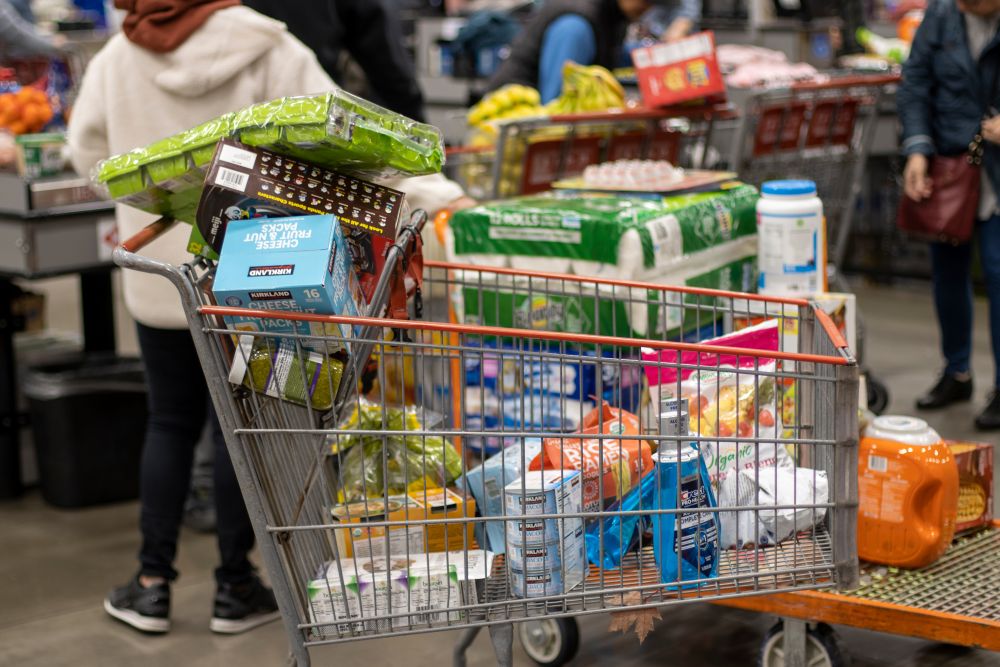
Groceries remain a major pressure point. More than half of respondents, 53.6%, said it is very or somewhat difficult for their household to afford groceries right now. That includes 16.9% who said groceries are very difficult to afford and 36.7% who said they are somewhat difficult.
The cost of eating out is also affecting consumer behavior. More than 70% of respondents said higher prices have caused them to cut back on eating at restaurants or ordering takeout over the past year. Thirty-two percent said they have cut back a lot, while 38.2% said they have cut back some.
For households with children or family care needs, affordability concerns extend beyond food. Among all respondents, 35.9% said they are very or somewhat concerned about the cost of child care, school-related expenses, or other family care costs. Another 38.2% said the question was not applicable to their household.
The survey comes as inflation, wage policy, and household affordability remain central issues in Oklahoma’s public policy debate. Business leaders and policymakers have pointed to rising costs as a concern for both families and employers, particularly small businesses trying to absorb higher input costs while keeping prices competitive.
The results suggest Oklahomans are feeling the pressure in practical, everyday ways: changing spending habits, cutting back on restaurants, and struggling with grocery bills.