Oklahomans already cutting back on restaurants as SQ 832 debate continues
The findings add context to concerns from restaurant owners who say higher labor costs could force more price increases and hurt small businesses.
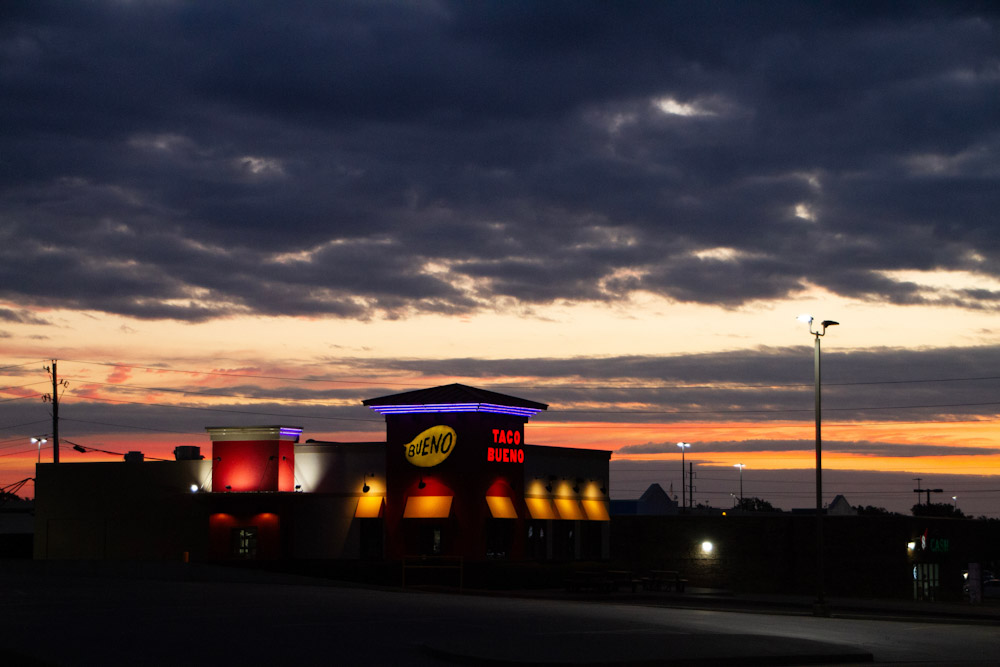
OKLAHOMA CITY (OBV) — Oklahomans are already cutting back on restaurants and takeout as prices rise, adding another layer to the debate over State Question 832 and its potential impact on small businesses.
A new State Chamber survey of 645 Oklahomans found that 70.2% of respondents have cut back on eating at restaurants or ordering takeout over the past year because of higher prices. Thirty-two percent said they have cut back a lot, while 38.2% said they have cut back some.
The findings come as restaurant owners and business advocates warn that SQ 832 could create additional cost pressure for small businesses that already operate on narrow margins.
SQ 832 will appear on Oklahoma’s June 16 ballot. The measure would raise Oklahoma’s minimum wage to $15 per hour by 2029 and then tie future increases to CPI-W, a federal inflation index.
Frank Santori, minority owner of Pho Bistro in Edmond, recently told Oklahoma Business Voice the measure could force his family’s restaurant to raise prices, cut jobs, or change how it operates.
“It’s going to jack our prices up 10 to 15, maybe even 20%, and to try to compete in this market, I don’t know if we can,” Santori said.
Santori said Pho Bistro already pays above the current minimum wage to compete for workers, but he said a new wage mandate would create a ripple effect across the business through wage compression, menu prices, staffing decisions, and long-term planning.
The new survey suggests consumers may have limited room to absorb additional restaurant price increases. More than 63% of respondents said everyday expenses have become harder to afford over the past year, while more than 71% said rising prices have caused them to make major or some changes to household spending.
Grocery affordability is also weighing on households. The survey found 53.6% of respondents said groceries are very or somewhat difficult to afford right now.
Restaurant industry leaders have raised similar concerns about the pressure on operators. During a recent Greater Oklahoma City Chamber panel, Oklahoma Restaurant Association President and CEO James Leewright said national profit margins for full-service restaurants have fallen from about 5% to 2.8%.
“It just takes one mistake or one big piece of equipment going out to have a month, or several months, where you’re losing money,” Leewright said.
Leewright said restaurants have faced rising food, labor, insurance, and operating costs over the past several years, while many operators have been unable to pass all of those costs on to customers because higher prices can reduce traffic.
That is the squeeze facing restaurants in the SQ 832 debate: consumers are already pulling back, while employers say new labor mandates could force prices even higher.
Santori said that dynamic could be especially hard on small, locally owned restaurants that lack the scale of large national chains.
“We’re a small business,” Santori said. “We’re not McDonald’s. We’re not Starbucks.”