





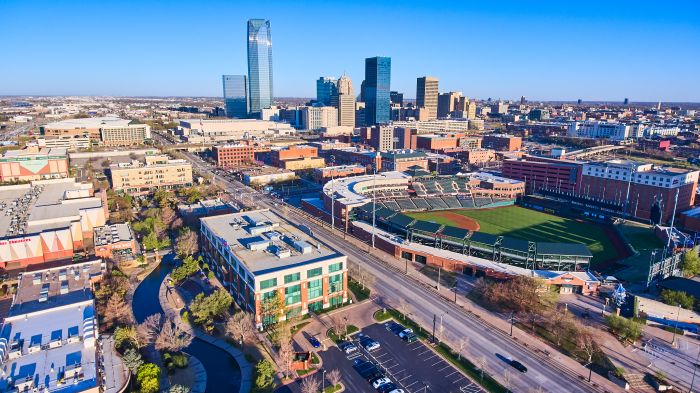

The recent announcements that Expand Energy and Devon Energy will move their headquarters to Houston, along with key executive leadership, land with a sting for Oklahoma. These companies helped shape our skyline, our economy, and our identity as an energy powerhouse. And to their credit, both have said they intend to maintain a significant workforce presence here.
That matters. Those jobs matter. Those people matter.
But we should also be honest: losing headquarters hurts.
When executive leadership and decision-making centers leave, it changes a state’s economic trajectory. It affects influence, investment, and long-term growth.
Moments like these don’t call for panic. They call for resolve. And they demand a plan.
Oklahoma has been here before.
When Kevin Durant left the Oklahoma City Thunder, it felt like a gut punch. We had built something special, and suddenly one of the best players in the world was gone. But the Thunder didn’t spiral. They didn’t abandon their vision. They went to work.
They drafted well. They developed talent. They prioritized culture and character. They built around a young core and committed to a long-term strategy. Today, the Thunder are the reigning world champions and one of the most promising teams in the NBA, not because they chased quick fixes, but because they built a plan to compete.
That’s exactly the mindset Oklahoma needs right now.
We can’t control every corporate decision made in boardrooms across the country. But we can control whether Oklahoma is a place companies want to grow, relocate, and stay for the long haul. We can control whether we are building the workforce, innovation economy, and business climate that attracts headquarters instead of losing them.
That’s the driving force behind the State Chamber’s Oklahoma Competes strategic plan.
This isn’t a short-term reaction to a headline. It is a long-term strategy to make Oklahoma the most competitive state in the nation for business and advanced-industry jobs. It starts with a simple truth: our future competitiveness will rise or fall based on the strength of our workforce and our ability to innovate.
That means ensuring every child can read proficiently by third grade, because literacy is workforce development. It means aligning education and training with the needs of high-growth industries. It means leaning into entrepreneurship and innovation, so we’re growing the next generation of Oklahoma-based companies. And it means maintaining an economic climate that rewards investment, risk-taking and job creation.
If we commit to that kind of plan and stay committed for the next decade, the headlines will change. Instead of reading about companies moving elsewhere, we’ll read about companies choosing Oklahoma as the best place to lead, build, and grow.
This moment should sharpen our focus, not shake our confidence.
Oklahoma has the people, the resources, and the work ethic to compete with anyone. But competitiveness doesn’t happen by accident. It requires a deliberate strategy and the discipline to stick with it, even when the scoreboard isn’t immediately in our favor.
The Thunder showed us what that looks like. Now it’s our turn.
We can’t just hope companies stay. We have to build a state they never want to leave, and one others are eager to call home. That’s the goal of Oklahoma Competes. And if we don’t commit to that long-term plan now, we risk getting left further behind in an economy that is moving faster and becoming more competitive every year.
Oklahoma doesn’t need to panic.
But we do need to compete.
Chad Warmington
President & CEO
The State Chamber of Oklahoma