OBV Feature / Aerospace
Oklahoma makes its pitch for the next generation of flight
Joby Aviation’s Oklahoma City stop puts autonomous flight on display and the state’s aviation workforce in focus.
Prefer a traditional article?
The same reporting, in the format you prefer.
01 / Oklahoma City
OKLAHOMA CITY — Oklahoma wants a share of the jobs that will build, maintain, and operate the next generation of aircraft. At OKC Will Rogers International Airport Tuesday, Joby Aviation gave state leaders a close look at one of the technologies that could create those opportunities.
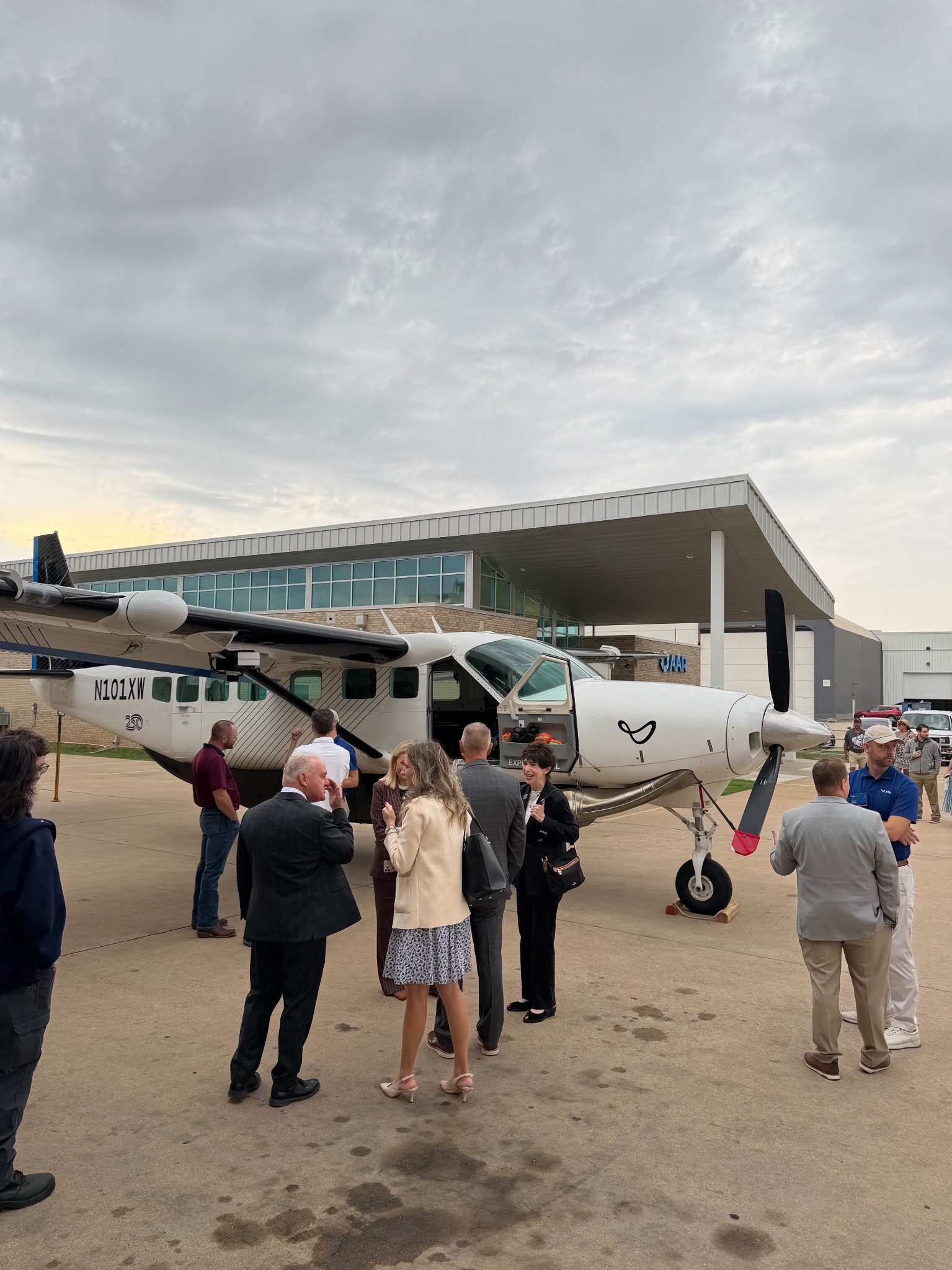
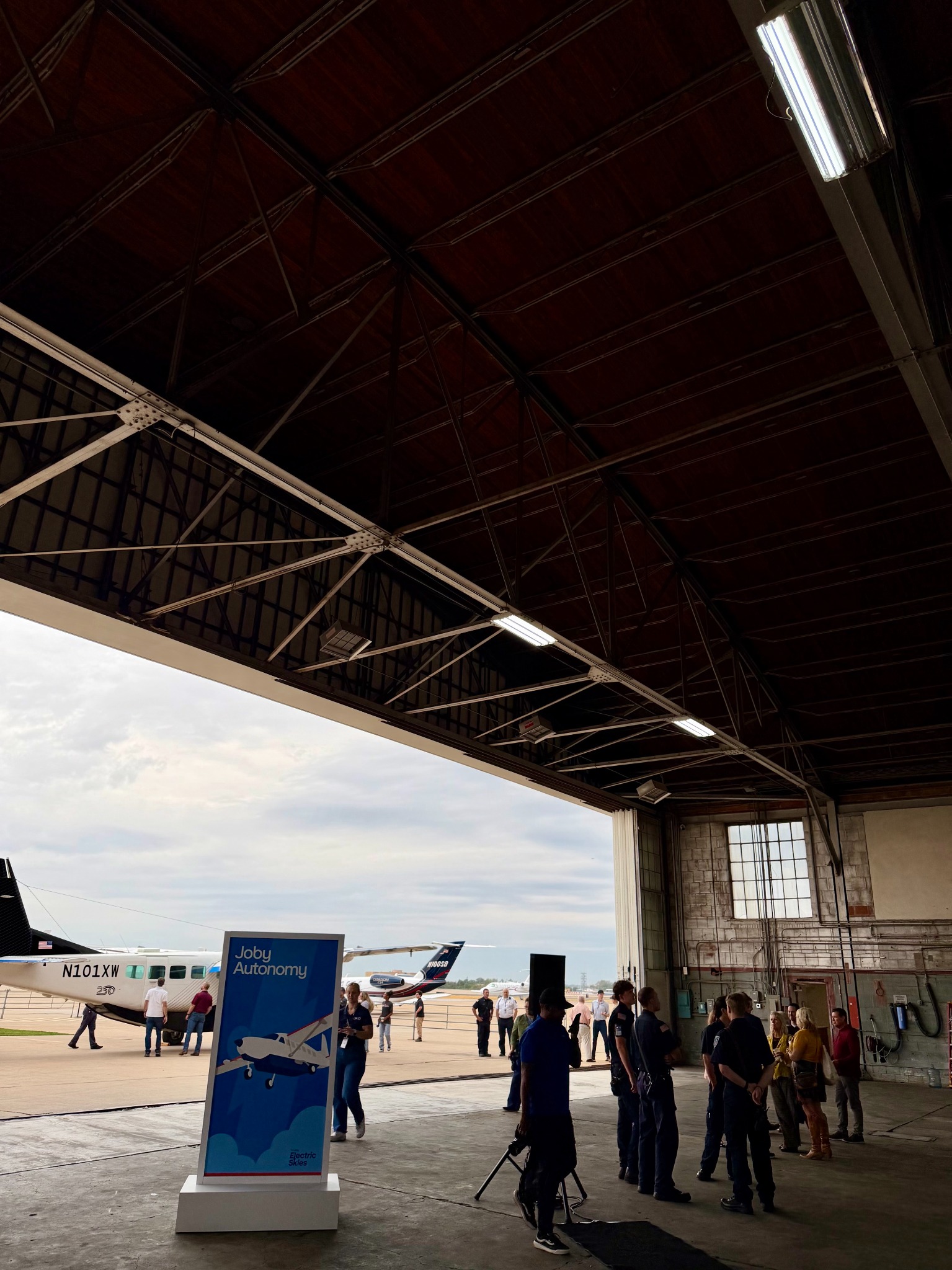
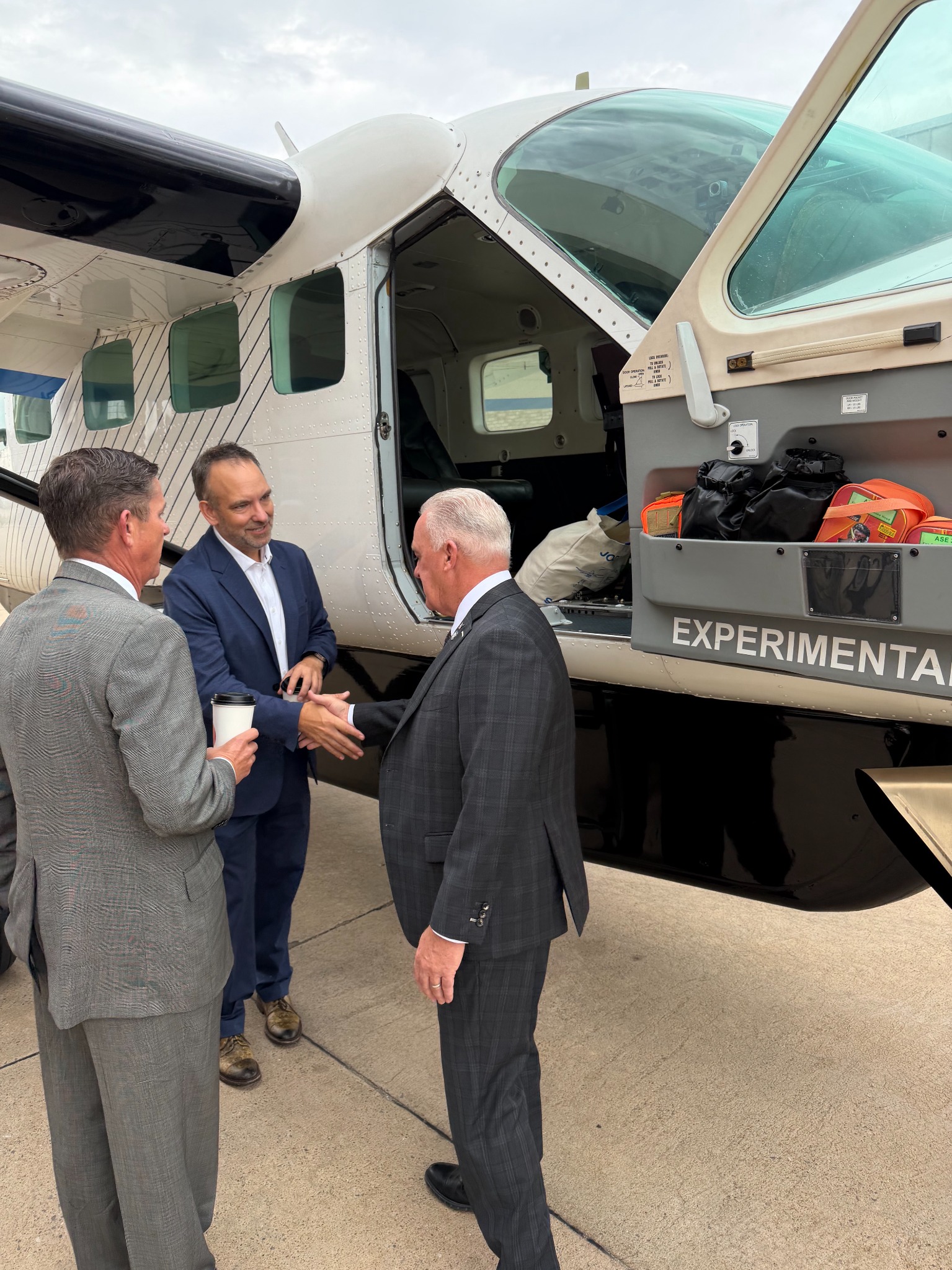
The company brought its J208 autonomous aircraft to Oklahoma City as part of its national Electric Skies tour. Lawmakers, aviation officials, and students gathered for a program connecting the technology on the ramp with the workforce, infrastructure, and research needed to support it.
For Rep. Emily Gise, R-Oklahoma City, the opportunity reaches into engineering, software development, cybersecurity, maintenance, and advanced manufacturing.
“Oklahoma has never been afraid to build things, fix things, and figure out what comes next,” Gise said.
02 / The aircraft
What the aircraft can do
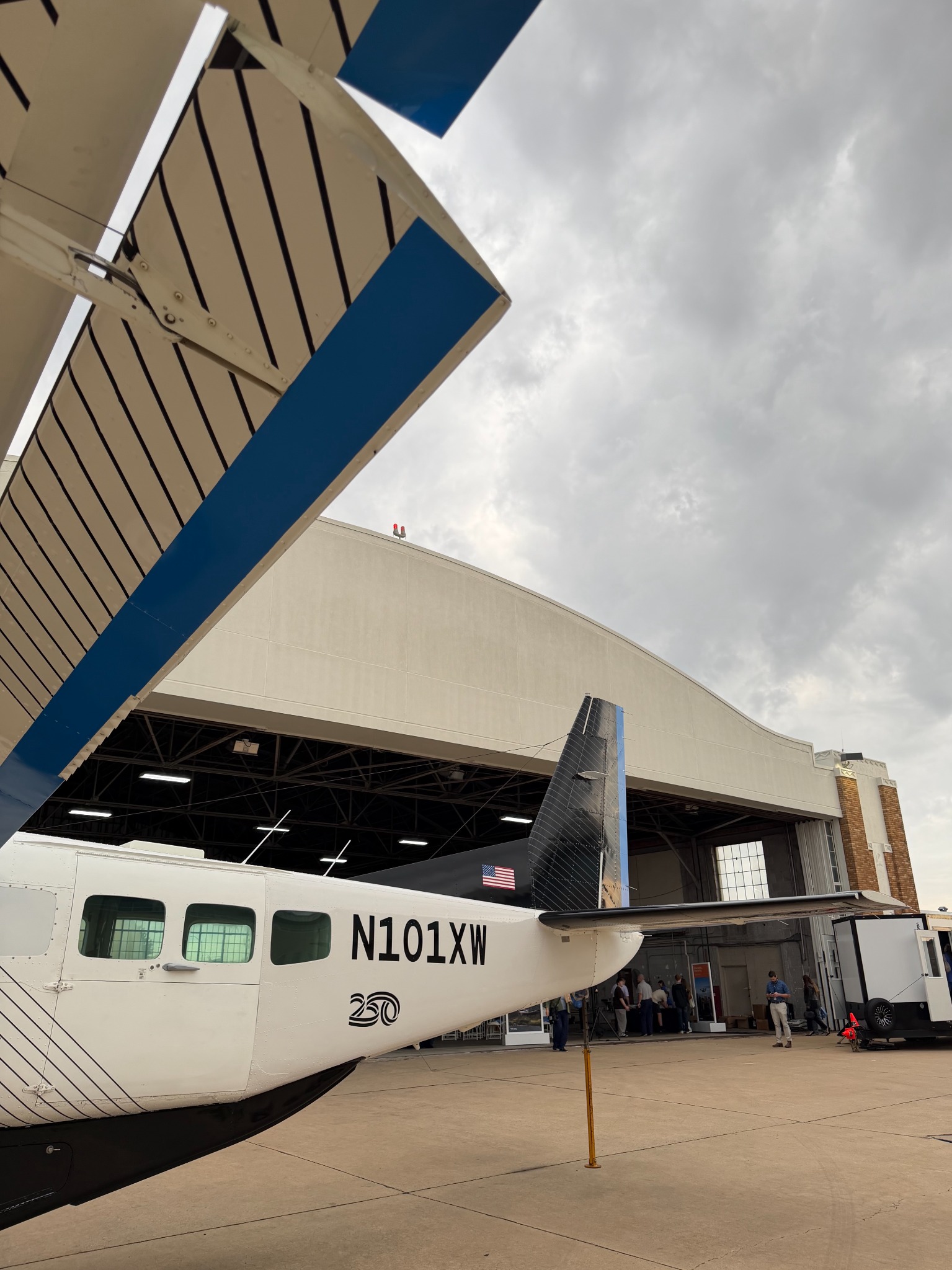
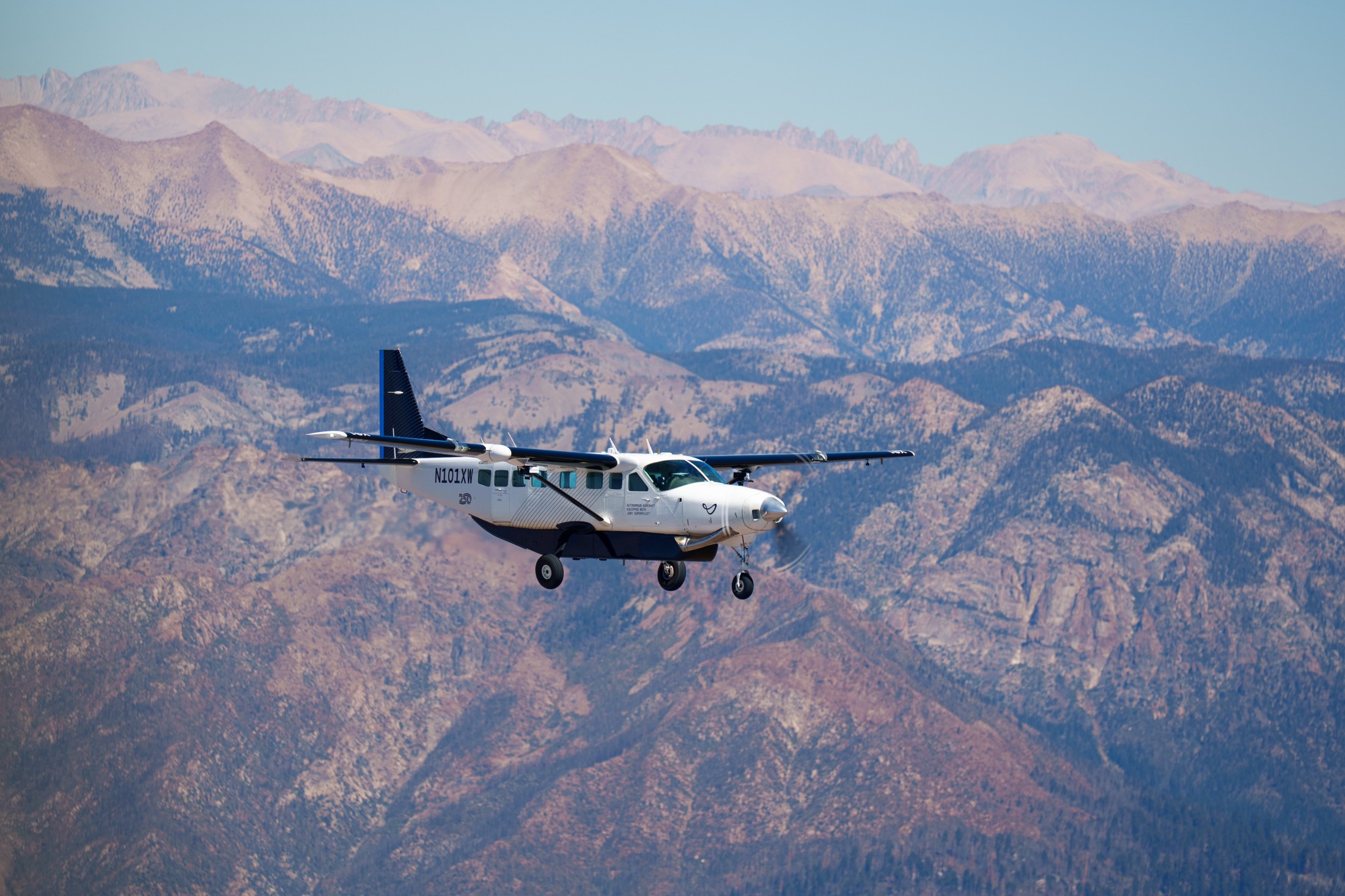
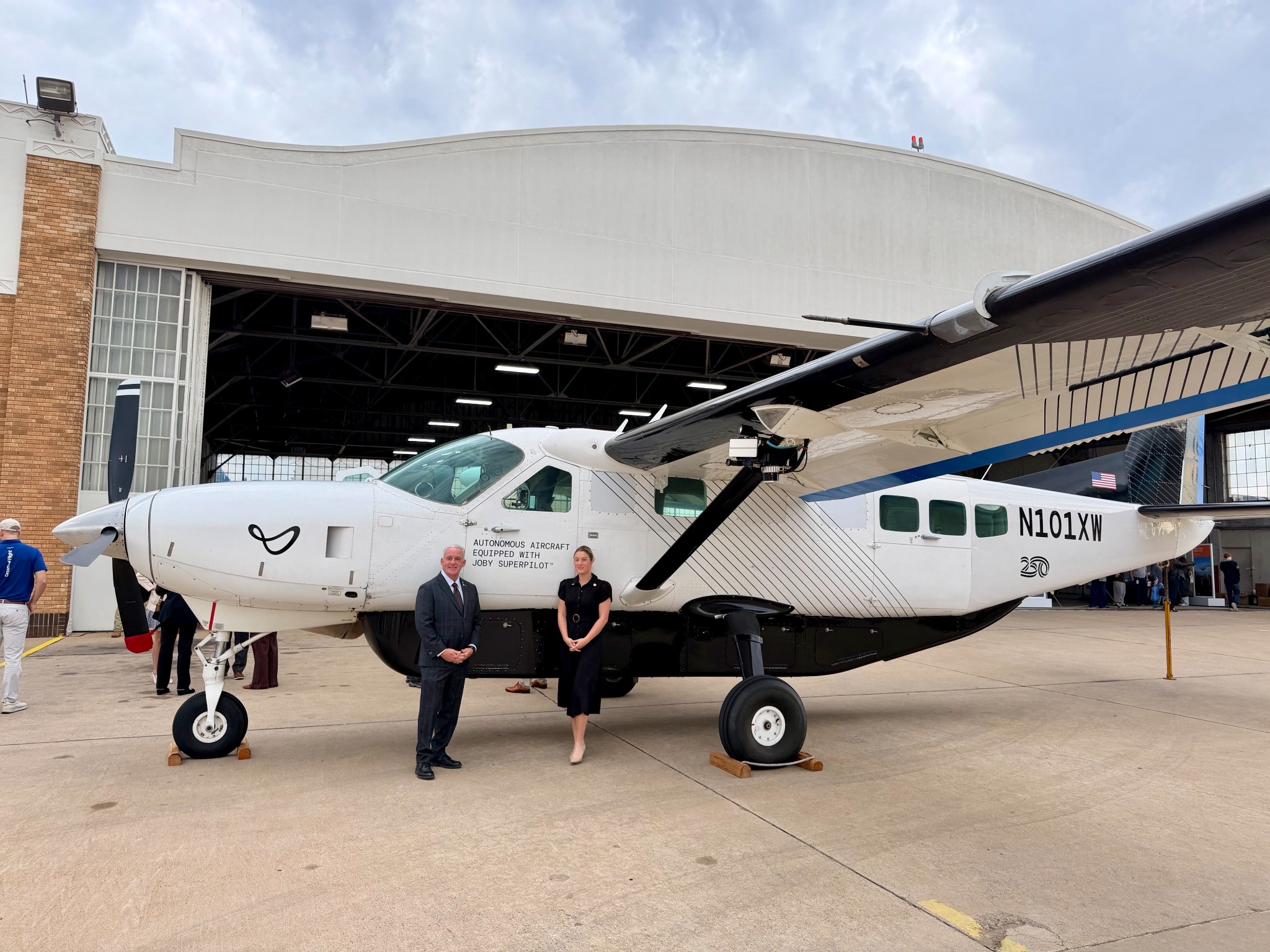
The J208 is a modified Cessna Caravan equipped with Joby’s autonomous-flight technology. It is a conventional airplane, separate from the company’s electric vertical takeoff and landing air taxi.
The system can handle taxiing, takeoff, navigation, and landing under remote supervision. A ground-based pilot communicates with air traffic control and can update the aircraft’s flight plan, Joby Chief Policy Officer Greg Bowles explained at the event.
Bowles said a safety pilot would be aboard for the planned flight from Oklahoma City to Salt Lake City. The technology automates flight functions while retaining human oversight.
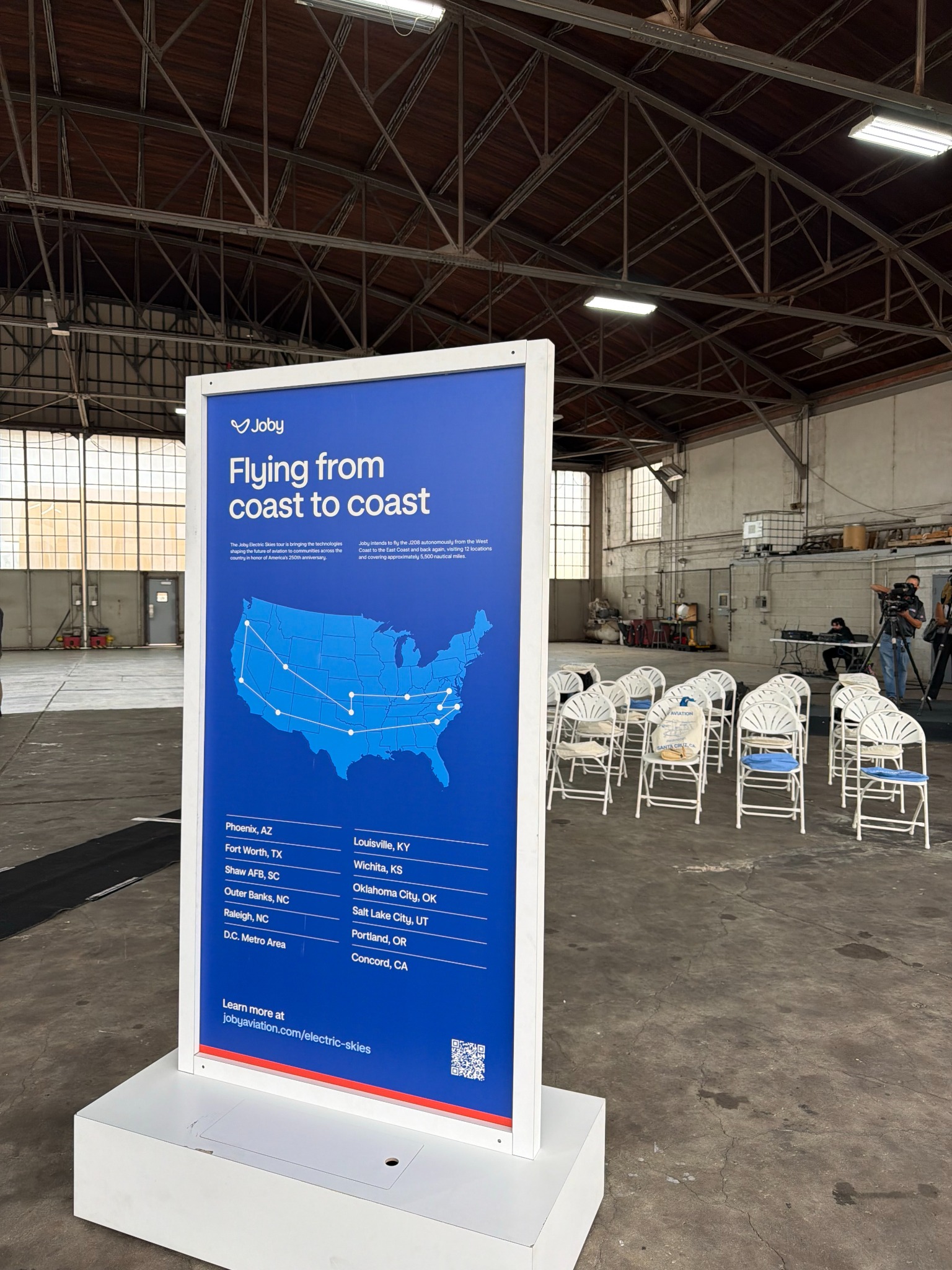
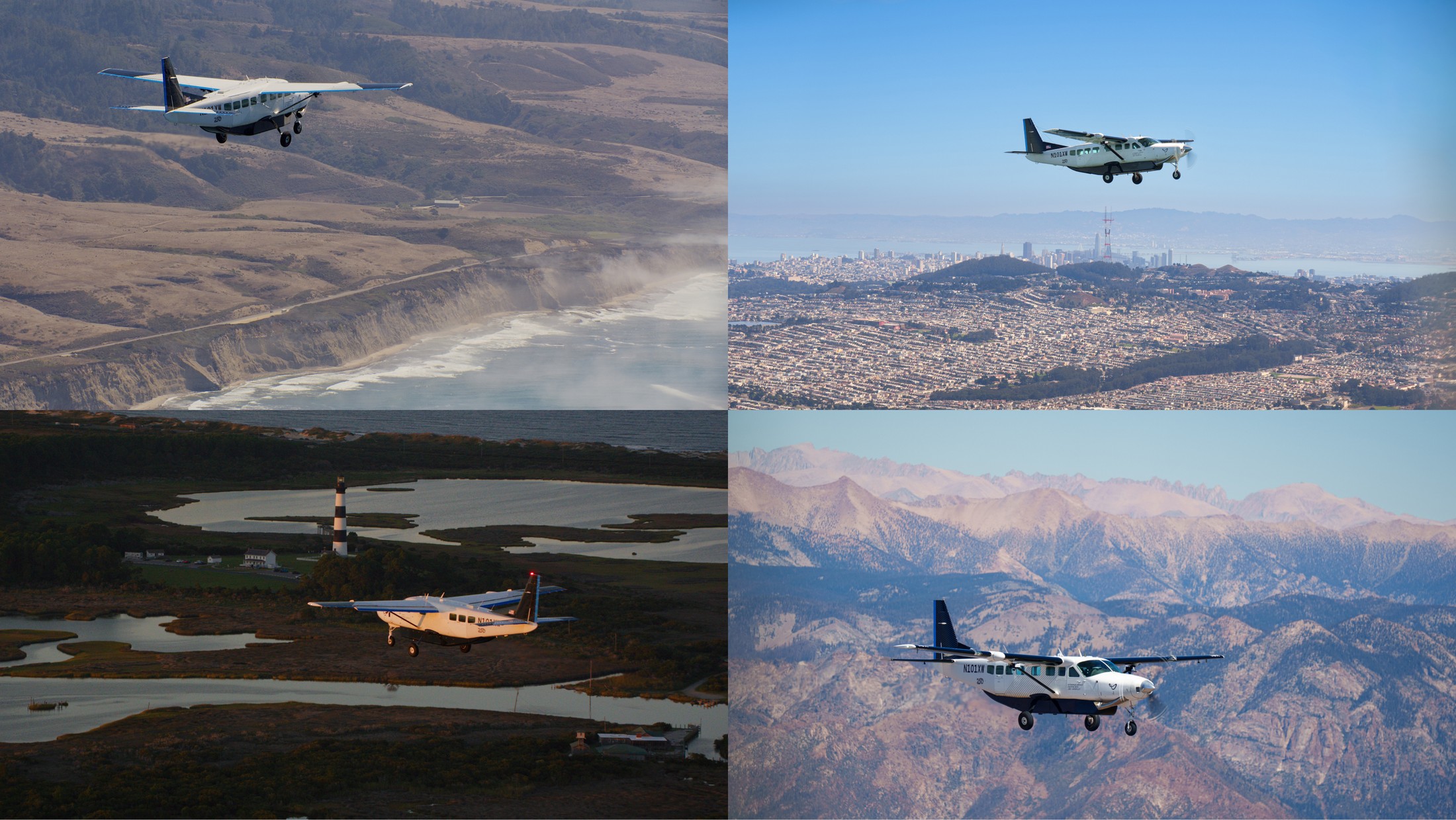
Joby reported Sept. 18 that the aircraft completed a 3,199-mile eastbound journey from California to North Carolina with no control inputs from its onboard safety pilot. Ground-based pilots supervised the flight remotely.
Bowles compared the national tour to aviation’s early barnstorming era, when pilots traveled from community to community to show Americans what flight could make possible. He pointed to emergency response and medical transport among the potential uses for increasingly automated aircraft.
Joby also identifies commercial freight and defense logistics as potential applications. Its tour gives officials and prospective partners a chance to examine how those operations could fit into existing airports and airspace.
Explore the technology Select a phase to see what the aircraft handles and where people remain involved. Taxi The autonomous system handles taxiing. The remote pilot communicates with air traffic control and passes along instructions. Human oversight remains part of the operation. Takeoff The aircraft performs the takeoff sequence under remote supervision. Bowles said a safety pilot would also be aboard the Oklahoma City departure. The onboard safety pilot provides backup. En route The aircraft navigates the route. The ground-based pilot can update its flight plan as air traffic instructions change. A remote pilot stays connected to air traffic control. Landing The system performs the approach and landing under remote supervision. Joby reported autonomous landings during the tour’s eastbound journey. Autonomous flight still involves human supervision. Illustrative sequence, not live flight data. Based on Bowles’ remarks and Joby’s tour reporting. Logo: Courtesy of Joby Aviation. (c) Joby Aero, Inc. Electric Skies / 2026 Explore three points in the J208’s journey. Company-reported milestone · Sept. 18 Joby reported a 3,199-mile eastbound journey, completed with no control inputs from the onboard safety pilot. Ground-based pilots supervised remotely. Local reporting · Sept. 29 The Sept. 29 event brought state lawmakers, aviation officials, and students together to examine the technology and the work needed to support it. Planned at the time of the Oklahoma City remarks Bowles said the aircraft was scheduled to continue from Oklahoma City to Salt Lake City with a safety pilot aboard.Follow the flight

Moving on the ground
From runway to flight
Following the flight plan
Returning to the runway
A national tour with an Oklahoma stop
California to North Carolina
The Oklahoma stop
Salt Lake City
03 / Oklahoma’s opportunity
The work behind the aircraft
For Oklahoma, the discussion turned quickly to the people needed to support that technology.
Gise pointed to students in attendance, including a group from Mustang High School, as part of the state’s future aviation workforce. She said education and training should prepare Oklahomans for the careers emerging technologies will create, with an emphasis on keeping those opportunities here.
Sen. Paul Rosino, R-Oklahoma City, connected that workforce challenge to the state’s broader aviation foundation. Drawing on his Navy service and experience at Tinker Air Force Base, he described aviation as a pillar of Oklahoma’s infrastructure, national defense mission, and economy.
Rosino said investments in airports, workforce development, and public policy need to keep pace as technology changes. Events like Tuesday’s give lawmakers a chance to see the equipment firsthand and better understand the operational questions that accompany it.
He pointed to Oklahoma’s federal aviation presence, military installations, and private-sector expertise as advantages in attracting the industry’s next phase of growth.
04 / The research
Research that supports the next step
Oklahoma City also plays a role in determining how new aircraft and operating systems can safely share the skies.
Dr. Katrina Avers of the Federal Aviation Administration said the work requires understanding how aircraft, operators, automation, ground infrastructure, and air traffic systems interact.
At the Mike Monroney Aeronautical Center, the FAA is developing a dedicated research range for vertical takeoff and landing aircraft, including electric and hybrid designs. The agency broke ground on the facility in June.
Avers distinguished that research from the autonomous Caravan featured at Tuesday’s event, while explaining that lessons from different aircraft and operations can inform the broader work of integrating new technology.
She identified questions involving airport operations, airflow around aircraft, and radio interference among the issues researchers must address. Collaboration among manufacturers, federal researchers, operators, and state partners will help that work advance, she said.
For Gise, Oklahoma’s message to aviation companies was straightforward.
“Come here, build here, create jobs here, and help us shape the future of aviation right here in our state.”
From the airport
The Oklahoma City stop in photos
Select a photograph for a closer look.