
NewsPolicy
From university discovery to Oklahoma business
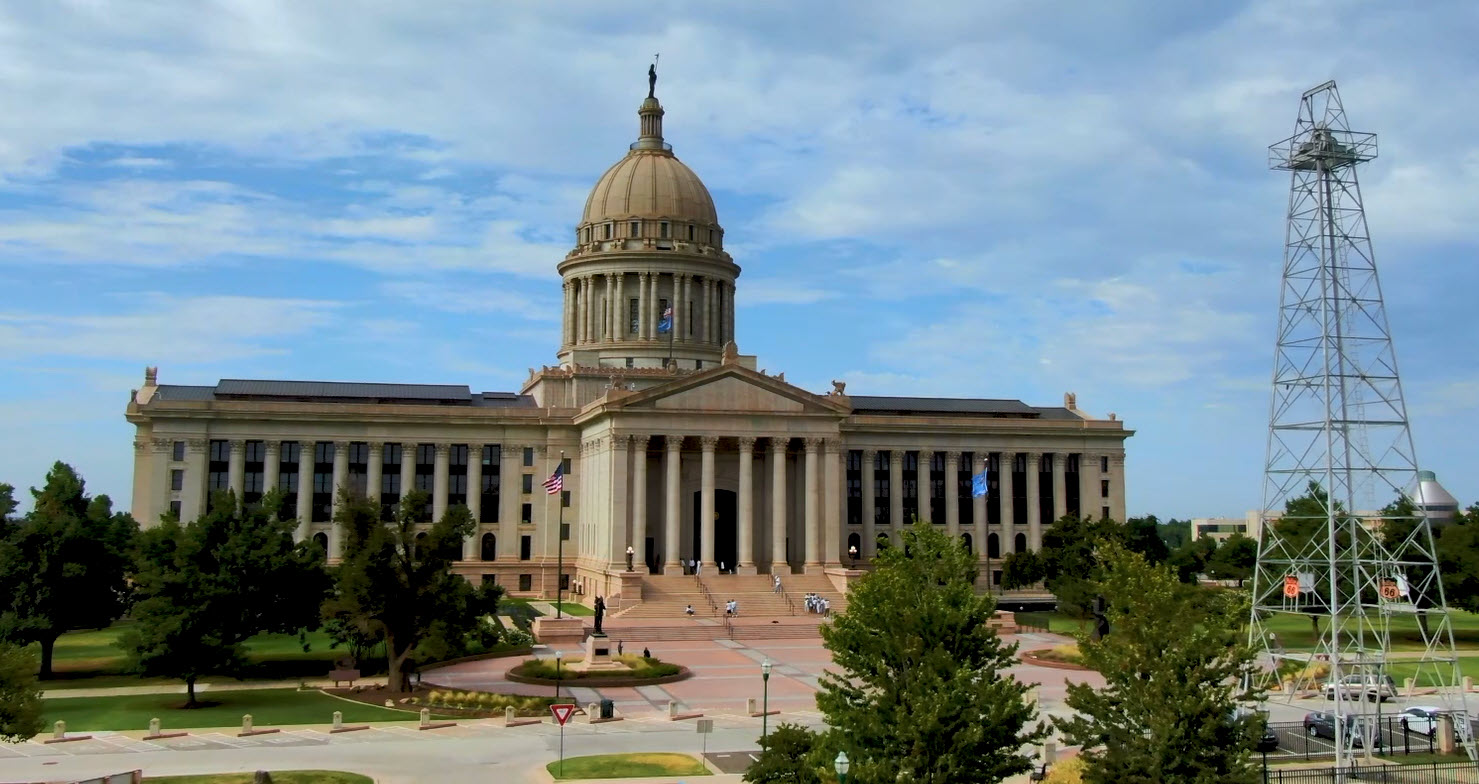
Clearer licensing terms and stronger support for entrepreneurs can turn university discoveries into Oklahoma companies that create jobs and keep graduates here.
Oklahoma approved four bachelor’s programs requiring fewer credits. Rep. Ryan Eaves explains why he pushed for the change—and what he wants to see next.
Tulsa programs and an Indiana model illustrate how workforce intermediaries can simplify hiring partnerships, expand internships, and connect education with employer needs.
The caucus will focus on implementing the Strong Readers Act, tracking student outcomes, and sustaining improvements in reading instruction.
Ready industrial sites, infrastructure investments, and stronger coordination could help Oklahoma capture a growing market for drones and their components, aerospace leaders told lawmakers.
An Oklahoma House study explored a pilot program that could use phone alerts and highway message boards to warn motorists about wrong-way drivers.
Consultants praised programs that help Oklahoma employers invest and expand, while recommending changes to the capital gains deduction, stronger reporting, and repeal of the ethanol fuel credit.
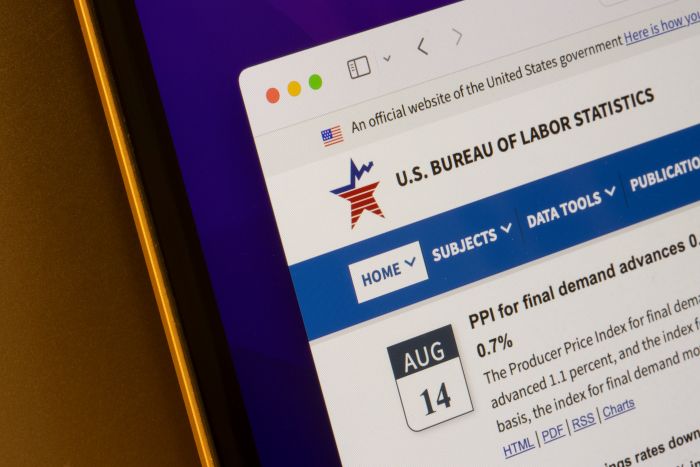
September receipts increased 12.1% from a year earlier, extending growth in the state’s rolling annual total.
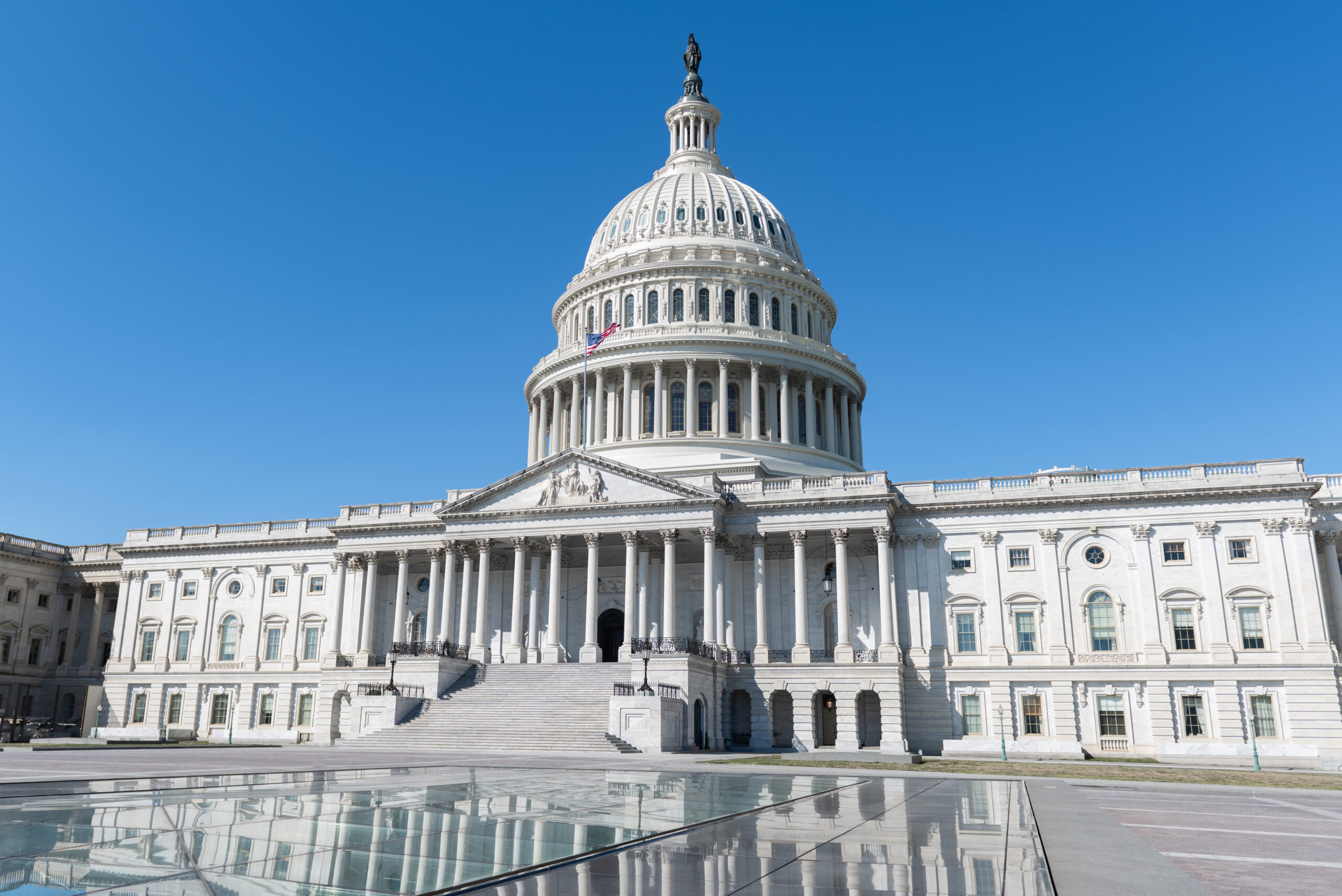
A bipartisan Senate proposal would accelerate federal permitting and give Oklahoma employers greater certainty to invest, build, and create jobs.
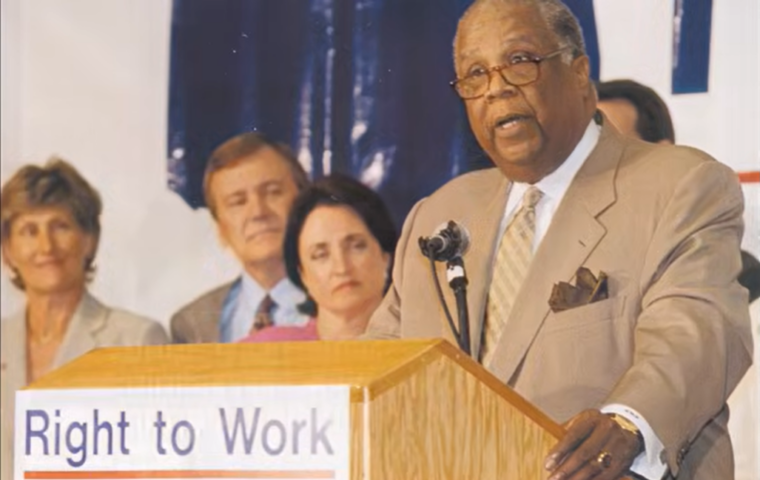
The 2001 vote followed decades of debate and a statewide campaign for worker choice and business recruitment.
Census reports show stronger inflation-adjusted income in 2025, though gains did not reach every part of the income distribution.
NFIB’s national index remained above its historical average, while 35% of surveyed owners reported job openings they could not fill.