NFIB Survey Shows Rising Small Business Optimism, Flags Minimum Wage Concerns
Small business optimism continued to improve at the end of 2025, with Oklahoma business owners reporting stronger expectations for the year ahead.
The National Federation of Independent Business reported that its Small Business Optimism Index rose 0.5 points in December to 99.5, staying above the survey’s 52-year average of 98. NFIB also reported the Uncertainty Index fell seven points from November to 84 — its lowest reading since June 2024.
“2025 ended with a further increase in small business optimism,” NFIB Chief Economist Bill Dunkelberg said. “While Main Street business owners remain concerned about taxes, they anticipate favorable economic conditions in 2026 due to waning cost pressures, easing labor challenges, and an increase in capital investments.”
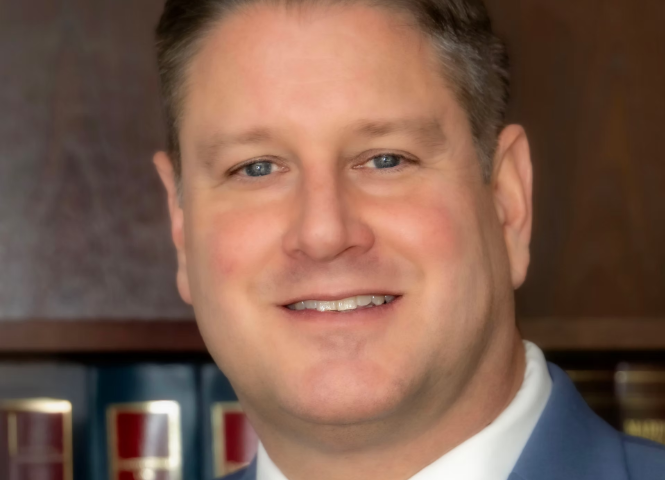
In Oklahoma, NFIB State Director Jerrod Shouse said business owners are “feeling optimistic,” but pointed to minimum wage proposals as a key concern.
“While Oklahoma’s small business owners are feeling optimistic, the looming state ballot initiative to raise the minimum wage remains a real cause for concern,” Shouse said. “Raising the minimum wage will result in price hikes for consumers and fewer jobs for vulnerable workers. It’s incumbent on Oklahoma voters to reject SQ 832.”
The NFIB release lands as minimum wage policy is expected to be active at both the Capitol and the ballot box this year. Senate Bill 1268, filed by Sen. Nikki Nice, D-Oklahoma City, would raise Oklahoma’s minimum wage to $13 per hour and require an additional 50-cent increase each year for five years after the bill takes effect. Oklahoma’s minimum wage has remained at $7.25 per hour since 2009, matching the federal minimum.
Separately, State Question 832 is set for a June 16 statewide ballot. The measure would raise the minimum wage to $12 per hour beginning in 2027, followed by additional increases in the next two years, and would require cost-of-living adjustments starting in 2030.
The State Chamber Research Foundation has previously argued that mandated wage increases tend to trigger predictable business responses. “Evidence shows when a state or city increases its minimum wage, businesses react in three ways: cut hours, reduce hiring and increase prices,” said Amanda Hall, the foundation’s director of research, during an interim study on wage mandates at the Oklahoma State Capitol last fall.
NFIB’s December survey also showed taxes rising as a top concern nationally: 20% of owners cited taxes as their single most important problem, up six points from November and the highest reading since May 2021. The share of owners reporting job openings they could not fill remained at 33% in December, above the historical average of 24%, NFIB reported.
NFIB’s Small Business Economic Trends survey is based on responses from NFIB members and is released monthly. The December 2025 survey results were published Jan. 13.