




OKLAHOMA CITY (OBV) — CES 2026 surfaced practical innovations poised to change how Oklahoma companies power fleets, train crews and automate facilities. Here are three indicators to watch now—from solid‑state batteries to HDR wearable displays and AI‑driven service robotics.
1) Solid‑state batteries step out of the lab
CNET reports Donut Lab’s all‑solid‑state battery entering production via a partnership with Verge Motorcycles’ TS Pro, promising lighter packs, faster charging and greater thermal stability than conventional lithium‑ion. If the tech scales from two‑wheelers to fleet vehicles, it could lower EV operating costs and expand range—relevant for Oklahoma’s logistics, rural service routes and emergency response.
Industry coverage has flagged healthy skepticism about near‑term mass deployment, but even pilot adoption signals new supplier opportunities (components, service, training) and fresh conversations on workplace charging and resilience planning.
Why it matters here: If verified, solid‑state cells could reduce charging dwell times and heat‑related degradation—attractive for fleets in extreme‑temperature environments and long corridors across Oklahoma. Procurement teams should start scenario planning (TCO models, depot upgrades, technician upskilling) to be ready if the claims hold.
2) Wearable display glasses hit HDR at mass‑market pricing
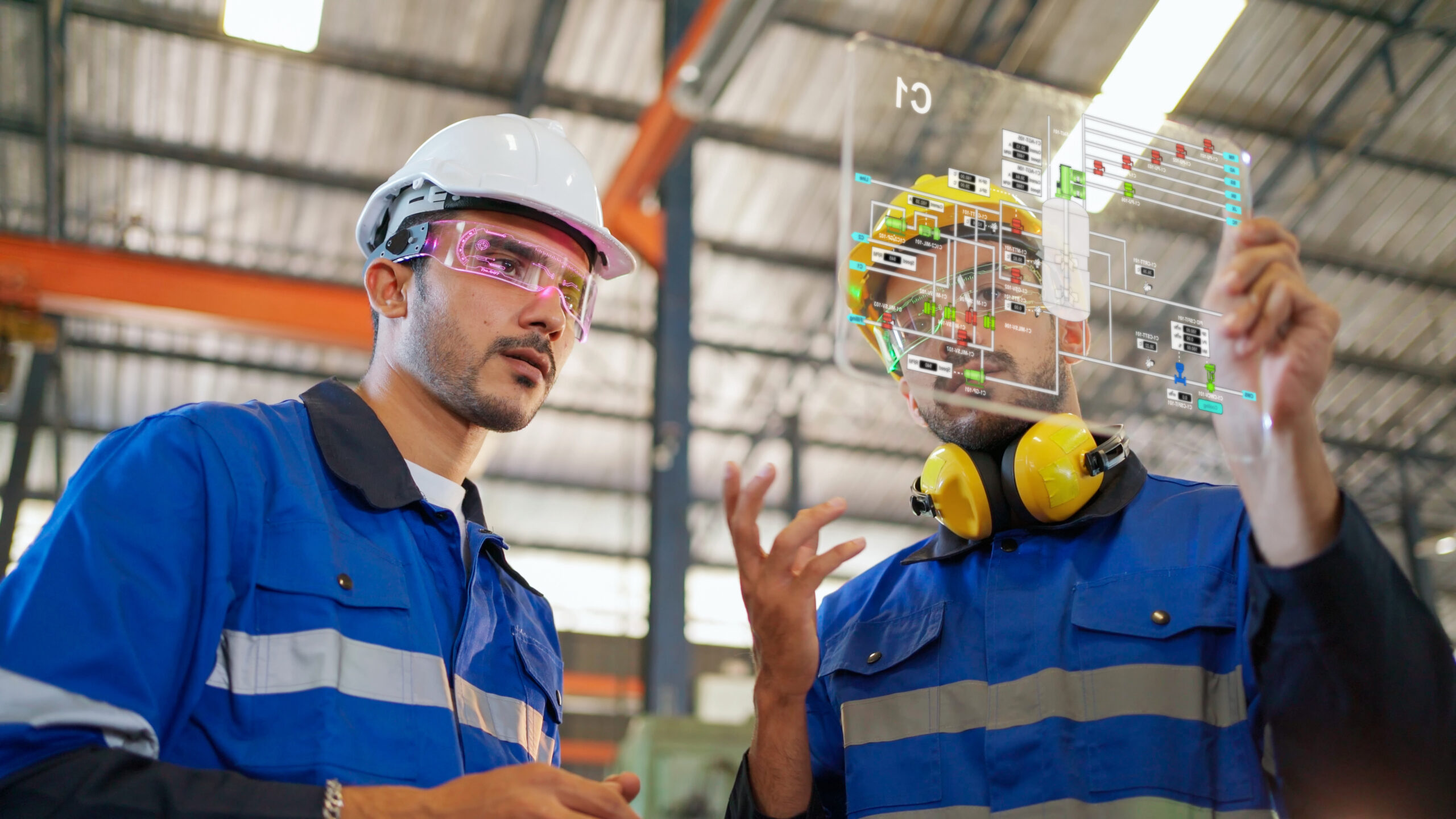
TCL’s RayNeo Air 4 Pro glasses bring HDR10 micro‑OLED visuals up to 1,200 nits for a $299 launch price and ship Jan. 25. Field workers can tether to phones or laptops for bright, private “big‑screen” views of manuals, schematics or live support—useful in aerospace, energy and manufacturing plants statewide.
Why it matters here: At this price point, supervisor‑led pilots in maintenance, inspection and training become realistic this quarter.
3) ‘Physical AI’ and service robotics move into the home—and into facilities
LG’s CLOiD concept showed coordinated tasks (dishwasher unloading, laundry folding, oven interactions) across an appliance ecosystem, while Roborock’s Saros Rover demonstrated stair‑climbing and obstacle negotiation—evidence that multi‑room, multi‑level autonomy is progressing. Even as timelines and reliability are still proving out, the direction is clear: robots that handle physical workflows are maturing.
Why it matters here: Hospitality, senior living, and facility services in Oklahoma could begin piloting task‑specific robots for repetitive chores (linen runs, basic cleaning between levels, inventory moves) and plan for technician training pipelines to maintain them.
CES 2026 signals practical momentum in energy storage, assisted reality, and facility automation. For Oklahoma operators, the play this quarter is to pilot small, build cost/benefit data, and line up workforce training partners—all while watching manufacturer delivery claims and real‑world performance.