OPINION: Costs will rise under PBM bills
A state-set fee on every prescription shifts costs to premiums and paychecks.

Editor’s note: This column first appeared in The Oklahoman (“Oklahoma can’t run health care by slogan. Fix pharmacy bills | Opinion,” updated April 3, 2026).
From the author: Since I wrote this column, SB 2074 passed through the legislature and was subsequently vetoed by the Governor. I encourage you to contact your senator and urge them to oppose any veto override of SB 2074, while explaining how the bill would affect your health plan, your workforce, and your costs.
Oklahoma lawmakers are poised to raise what Oklahomans pay at the pharmacy counter.
On March 26th the Senate passed SB 2074 by 34-3. The House passed HB 3538 by 93-2. These bills would raise the fee that pays the pharmacy for filling a prescription from about 20 cents to $11.41.
Plans would fund it. Premiums and out of pocket costs would rise.
This is not about picking a side.
When revenue winners drive the policy, costs usually climb. Providers want higher and more stable reimbursement. Insurers and PBMs want predictable margins. Those aims are rational.
They are not the same as affordability for employers and families.
Move a per prescription charge from about 20 cents to $11.41 and someone pays.
In the real world that means families, employers and local governments. Costs roll up to the premium. Premiums roll down to the paycheck. That is how benefit design works.
You could hear it on the Senate floor. Majority Floor Leader Julie Daniels walked through actual employers in her district. One company that pays $240,000 now would jump to $660,000. A financial firm would go from $200,600 to $1.1 million. A major employer would see drug costs rise from $26.5 million to $55.6 million.
Those numbers are not abstractions. They’re payroll decisions. They’re raises that do not happen. They’re higher contributions pulled from workers’ checks.
Supporters argue the bills target PBMs and that any higher costs are a choice by insurers. That is not how coverage works. Set a state fee on every prescription and the cost moves into the premium and into the paycheck.
Oklahoma cannot run health care by slogan. Serious policy means transparent numbers, long term modeling, and clear tests for whether premiums go up or down. If a mandate raises the per prescription fee to $11.41, we should say who pays and how much. That is governance, not theater.
Let us be clear about what these bills do.
They reset reimbursement to a national acquisition benchmark and require a professional fee no lower than the state’s Medicaid rate. They also change appeal timelines and require retroactive adjustments when payments are too low. Some of that process work has merit. The problem is the fixed fee. Medicaid is a public program with public financing. Most Oklahomans are in employer plans that are paid for at the kitchen table and at the shop floor. Tying those plans to a Medicaid level fee ignores that difference.
This is also about competitiveness. Many of our largest employers self fund. Cities, counties and school districts do as well. If plan costs jump, hiring gets harder. Paychecks get tighter. Public budgets get squeezed. We talk a lot about keeping headquarters and growing jobs. Policy that increases fixed benefit costs moves in the opposite direction.
I respect the authors and the pharmacists who testified. They raised real concerns about opaque pricing and slow appeals. Let’s solve those problems with precision. That means clear appeal rules, real time data, and enforcement that hits bad behavior. It does not require a one-size fee that will ripple through every plan in the state.
Lawmakers should fix these bills in the opposite chamber. If that cannot be done, they should pause them and run an open process that balances access with affordability. We have time this session to get this right. We do not have room in family budgets to get it wrong.
Oklahomans deserve access and affordability. Not one at the expense of the other.
Let’s choose both.
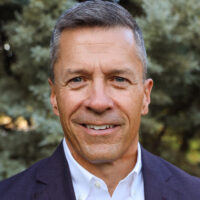
Chad Warmington is president and CEO of The State Chamber of Oklahoma.