Workforce analysis points to different fixes for nursing, engineering, and accounting shortages
A new analysis examines how expanding nursing programs, retaining engineers, and improving CPA licensure pathways could help Oklahoma employers fill critical jobs.

OKLAHOMA CITY (OBV) – Expanding nursing programs, keeping more engineering graduates in Oklahoma, and helping accounting graduates become licensed CPAs could help address three workforce shortages examined Thursday by the Oklahoma Workforce Commission.
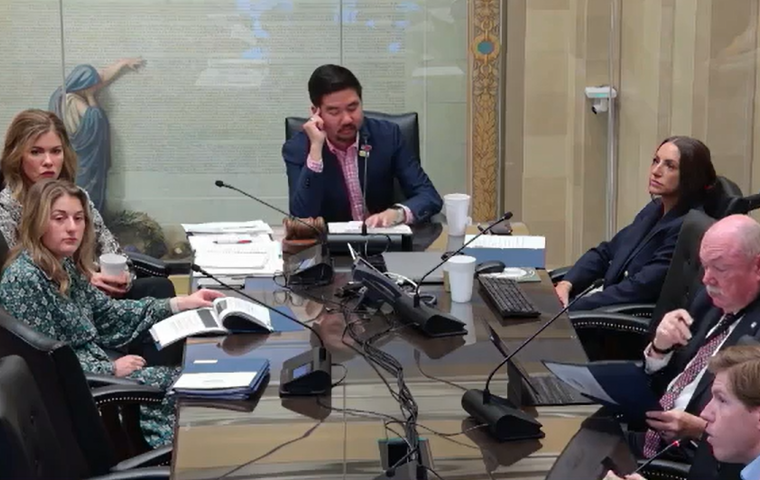
Jake Cronin of Tulsa for You and Me presented the analysis during the commission’s Oct. 15 meeting. The three case studies illustrated how workforce data can help policymakers identify where workers are being lost between education and employment, and which changes could help employers fill jobs.
The occupations were selected as examples of how the analysis works, rather than as a ranking of Oklahoma’s most pressing workforce needs.
Cronin’s approach compares projected job openings with the supply of graduates, accounting for how many remain in Oklahoma and workers moving into the state. The goal is to establish a consistent way to measure shortages across occupations and identify potential solutions.
That distinction matters because workforce reports often measure different things. Online job advertisements, for example, do not necessarily represent individual vacancies. An employer may advertise the same opening multiple times.
“And none of these measures are wrong,” Cronin said of differing estimates. But using different sources and definitions can complicate efforts to determine the size of a shortage and how to address it.
Nursing: Expanding access to training
The nursing analysis pointed to an opportunity to increase the number of students entering and completing nursing programs.
Oklahoma retains a high share of its nursing graduates, meaning the state’s challenge is largely getting enough people through training to meet employers’ needs.
“How do we get more students in nursing programs?” Cronin asked.
Demand surged during the pandemic, creating shortages that accumulated over several years. Although the analysis showed annual supply and demand moving closer together, that improvement does not erase the earlier shortfall.
Cronin pointed to the University of Oklahoma’s expansion of nursing admissions as an example of how institutions can respond. OU increased capacity to accept every qualified nursing applicant, an effort university leaders described as requiring additional faculty, space, and student support.
The case study suggested that identifying where qualified applicants are being turned away, and addressing those limits, could help the state produce more nurses.
Industrial engineering: Keeping graduates here
Industrial engineering presented a different challenge.
Cronin said the state’s educational capacity in the field is concentrated in two institutions. Expanding that capacity could increase the supply of graduates, but developing additional programs would require substantial investment and time.
Keeping more graduates in Oklahoma and recruiting engineers from other states could provide more immediate opportunities to narrow the shortage.
The discussion also highlighted an important distinction: the case study examined industrial engineering specifically, while some of the graduate-retention data discussed at the meeting covered engineering more broadly.
Commissioners raised questions about why engineers leave Oklahoma and how employers could compete more effectively for them. They also discussed the longer-term role of math preparation, early exposure to engineering careers, and helping students complete demanding degree programs.
Those efforts could increase the number of future engineers. Retention and recruitment offer ways to address employers’ needs while that work develops.
Accounting: Improving the path to licensure
Accounting showed the largest persistent gap among the three case studies, alongside a declining graduate pipeline.
Increasing enrollment and degree completion could help, but Cronin also pointed to the transition from an accounting degree to professional licensure. Helping more graduates complete that process could strengthen the supply of certified public accountants.
Oklahoma is already changing that pathway.
Beginning Nov. 1, a new option will allow candidates to qualify for CPA licensure with a bachelor’s degree, the required accounting and business coursework, passage of the CPA exam, and two years of supervised work experience. Existing pathways will remain available.
The distinction between accounting employment and CPA licensure remains important. Not every accounting position requires a CPA license, a limitation Cronin acknowledged when discussing the analysis.
He also cautioned that recent program expansions and policy changes take time to appear in workforce data. The estimates provide a starting point for further investigation with employers and educational institutions.
Commissioners discussed applying the approach to five additional occupations for a November meeting, with input from the Oklahoma Department of Commerce about the jobs businesses need.
That work could help the state determine where additional training capacity would make the greatest difference, where employers are losing graduates to other states, and where licensing requirements affect the supply of qualified workers.