
What tech transfer means for Oklahoma’s innovation economy
As Oklahoma pursues advanced‑industry growth, business leaders argue that modernizing tech transfer is key to turning research ideas into companies and jobs.
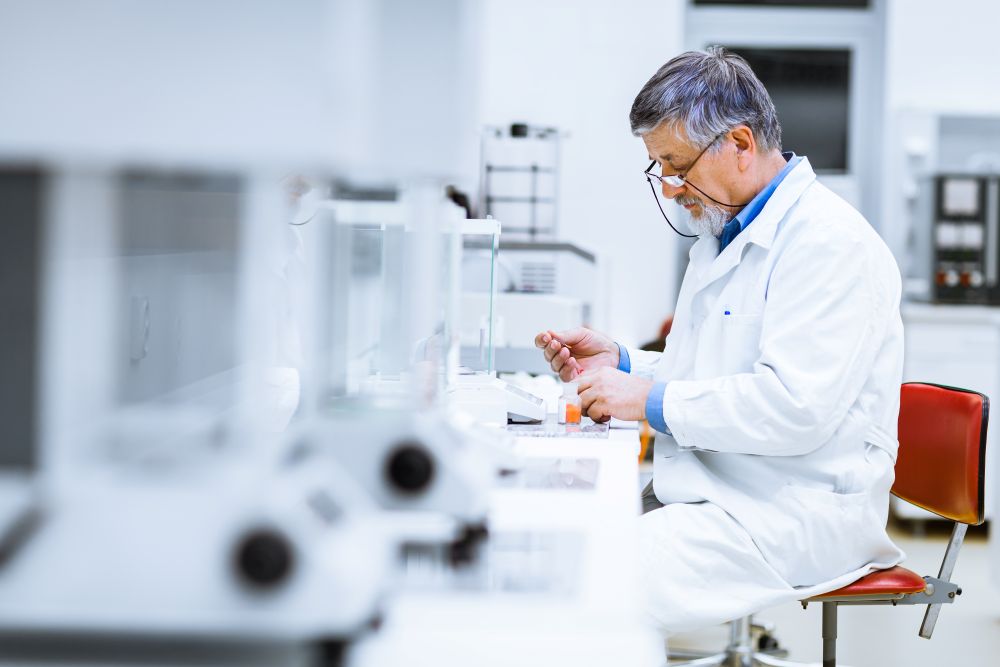
OKLAHOMA CITY (OBV) — As Oklahoma works to expand its innovation economy, technology transfer—the process of moving research discoveries from research entities into the marketplace—is emerging as a central priority for business leaders and policymakers.
Amanda Hall, policy director for the State Chamber and the State Chamber Research Foundation, said the concept fits squarely into the Oklahoma Competes agenda.
She said, “Oklahoma has a vibrant history of being industrious—we’ve invented life‑saving medication, various weather radar systems, and even the parking meter. Tech transfer and commercialization is a key driver of innovation, and innovation is a key driver for an advanced economy. If Oklahoma wants to move its economy forward and become more future‑proof, we must start thinking about new invention and growth in that area.”
State leaders see strong commercialization opportunities in fields where Oklahoma already has research strength. Hall said Oklahoma is “uniquely situated to excel in radar systems, agricultural technology, defense systems, and energy systems.” She said barriers that still slow the path from lab to market include access to capital, small‑batch manufacturing limitations, and a knowledge gap around when and how discoveries can be patented. “The barriers that inhibit successful commercialization include access to capital, small batch manufacturing, and a knowledge gap surrounding what can be patented and when,” Hall said.
Hall said policy modernization is also critical because the state’s primary tech‑transfer statute has not been updated since 1998. “We have to update the statute to give our higher‑ed institutions a fighting chance at ensuring they have the best resources and ability to create a commercialization culture on campus, especially in key schools and colleges that have a high probability of success,” she said.
If Oklahoma strengthens its tech‑transfer performance, Hall said the downstream economic effects would be significant. “In an ideal world, technology transfer and commercialization will create a small business that employs Oklahomans and grows,” she said. “More venture capital will enter the state, which will spur more investment into Oklahoma. More specialized manufacturing may enter the state which will increase Oklahoma’s advanced industry jobs.”
Hall added that Oklahoma’s long‑term economic strategy should focus on industries where the state already excels and ensure the environment supports sustained commercialization. “Innovation is the spark that drives economies, so to capitalize on the growth that tech transfer and commercialization can spur, Oklahoma must be open to focusing on industries we already excel in,” she said. “It will take time—commercialization does not happen overnight—so we must set up the environment so that innovative and industrious Oklahomans can create, and Oklahoma can reap the benefits.”
How tech transfer works
Technology transfer is the process that moves research from the lab into the marketplace. While the details vary by institution, most tech‑transfer pathways follow the same core steps.
- Invention disclosure. A researcher reports a new discovery, device, process, or software to their university’s technology transfer office. This is the first formal step that signals an idea might have commercial value.
- Patent and IP review. The institution evaluates whether the idea is novel, protectable, and viable for a patent filing. If the review is positive, the office secures intellectual property protection to give the technology a clear path to market.
- Market assessment. Tech-transfer staff analyze whether an industry need exists, who potential partners are, and what the competitive landscape looks like. This step determines whether a discovery has realistic commercial potential.
- Licensing or startup formation. If the technology is strong enough to advance, the university seeks a company to license the invention. In many cases, that company becomes a new startup built around Oklahoma‑based research.
- Product development. The private sector builds and tests the product, develops prototypes, and prepares it for broader manufacturing or deployment. This step often requires capital, specialized facilities, and technical talent.
- Commercial launch. If the product succeeds in development, it reaches the market — creating jobs, attracting investment, and extending the value of university research into the larger economy.