
NewsPolicy
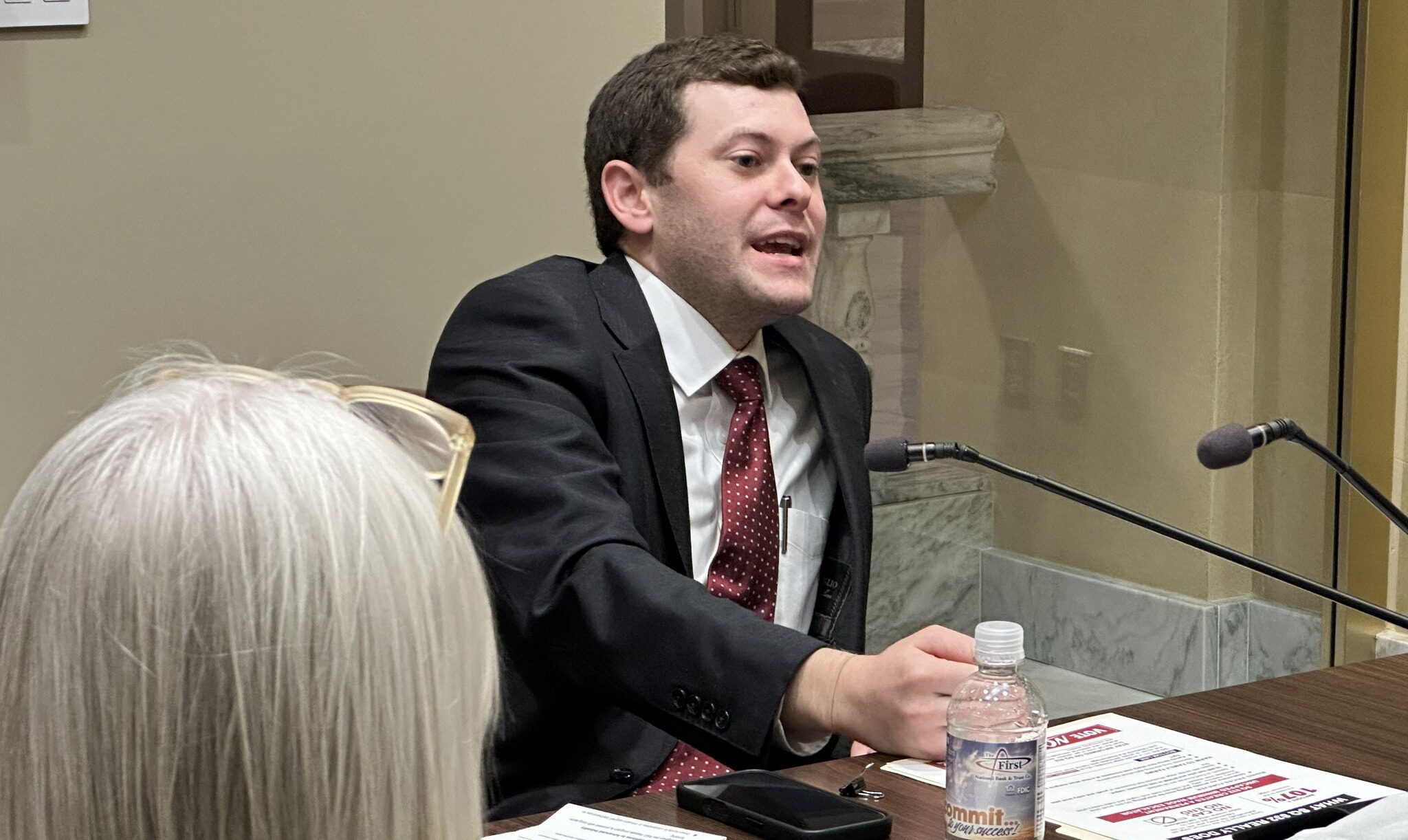
Panelists warn SQ 832 could raise costs, reduce entry-level opportunities
A Greater Oklahoma City Chamber panel examined the potential economic effects of Oklahoma’s minimum wage state question.
The foundation awarded $44.4 million in 2024 and 2025, including major investments aligned with education, workforce and Oklahoma City’s long-term growth.
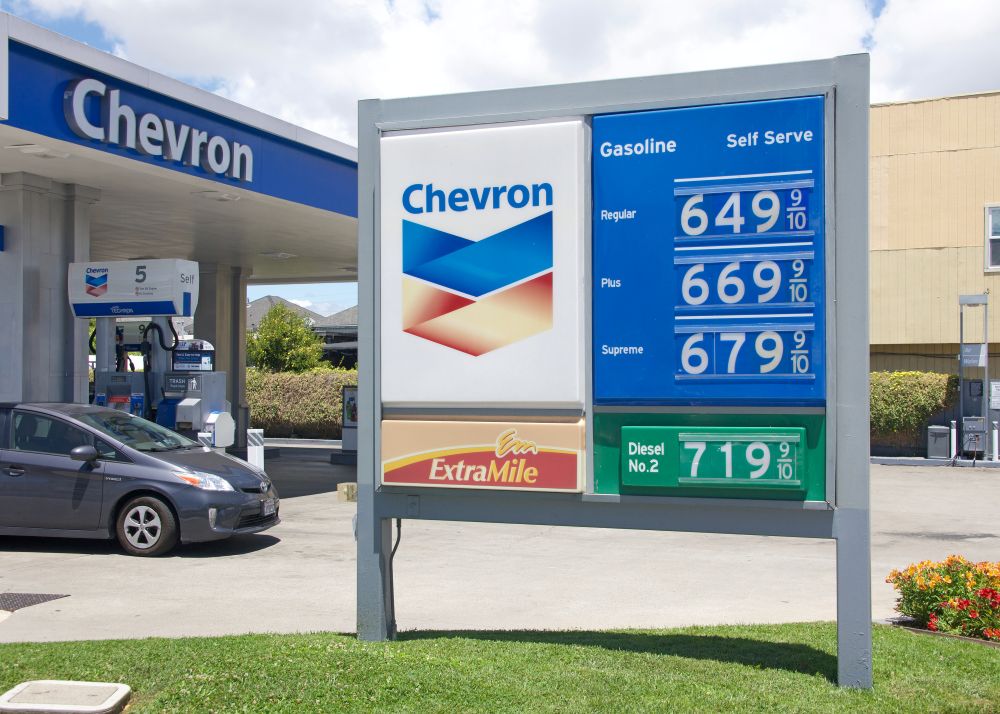
Energy, food and shelter helped drive the latest monthly increase, according to the U.S. Bureau of Labor Statistics.
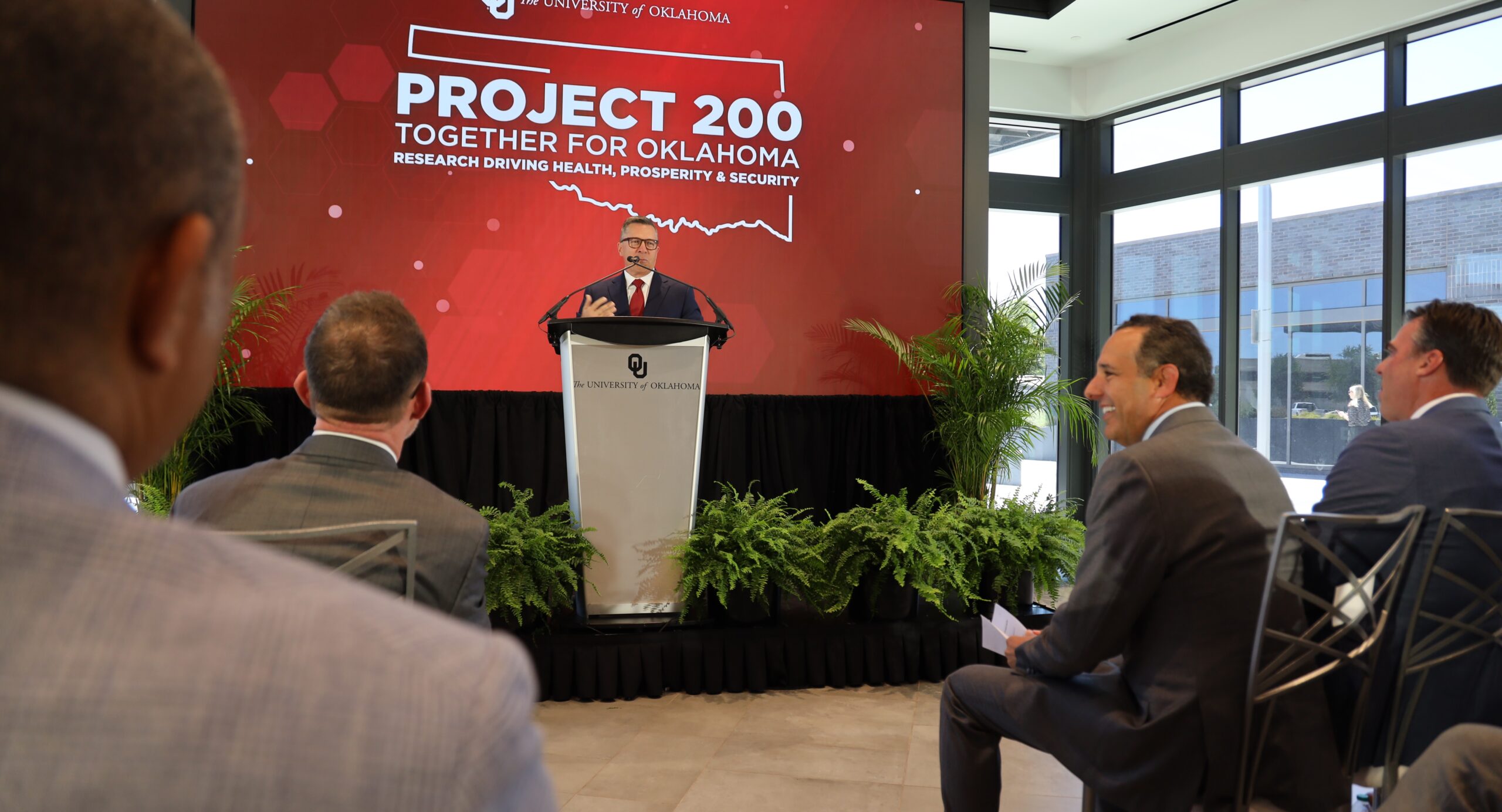
The University of Oklahoma initiative will recruit 200 researchers by 2032, with Oklahoma business leaders calling it a major investment in the state’s competitiveness.
A new survey of 166 U.S. economists found broad concern that higher minimum wages could reduce youth jobs, increase automation and make it harder for small businesses to stay open.
Senate Bill 985 creates a framework to connect Oklahoma schools with locally produced agricultural products.
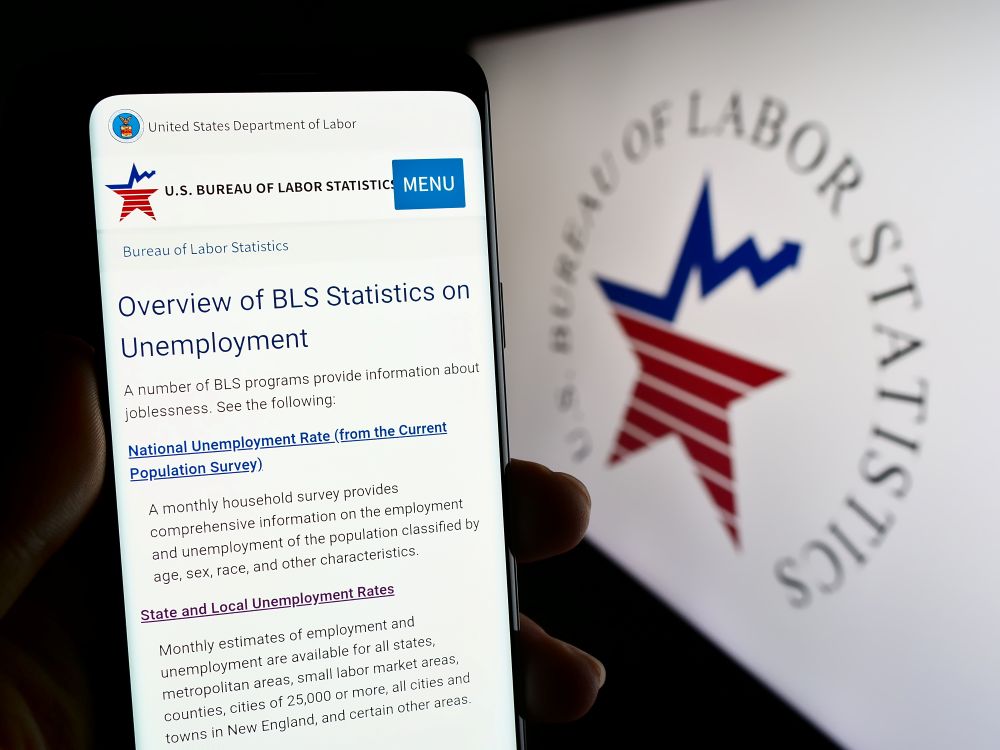
The national unemployment rate held steady at 4.3%, while job gains were concentrated in health care, transportation and warehousing, and retail.
State Chamber staff discussed Oklahoma Competes, economic competitiveness and the potential business impacts of upcoming state questions.
The Oklahoma Farm Bureau publication warns the minimum wage proposal could raise costs for farmers, ranchers, small businesses and consumers.
The Chamber says the proposal’s phased wage increases, expanded coverage and automatic CPI-W escalator could create long-term cost pressure for Oklahoma businesses.