Economist warns SQ 832 could hurt entry-level workers
Byron Schlomach argues SQ 832 could reduce early work opportunities for young and lower-skilled workers while creating long-term workforce consequences.
OKLAHOMA CITY (OBV) — Byron Schlomach, Ph.D., director of the 1889 Institute and a contributor to the Oklahoma Council of Public Affairs, argues in a new commentary that State Question 832 could create long-term economic and social consequences for the workers it is intended to help.
SQ 832 would raise Oklahoma’s minimum wage on a phased schedule and allow future annual increases tied to cost-of-living changes beginning in 2030.
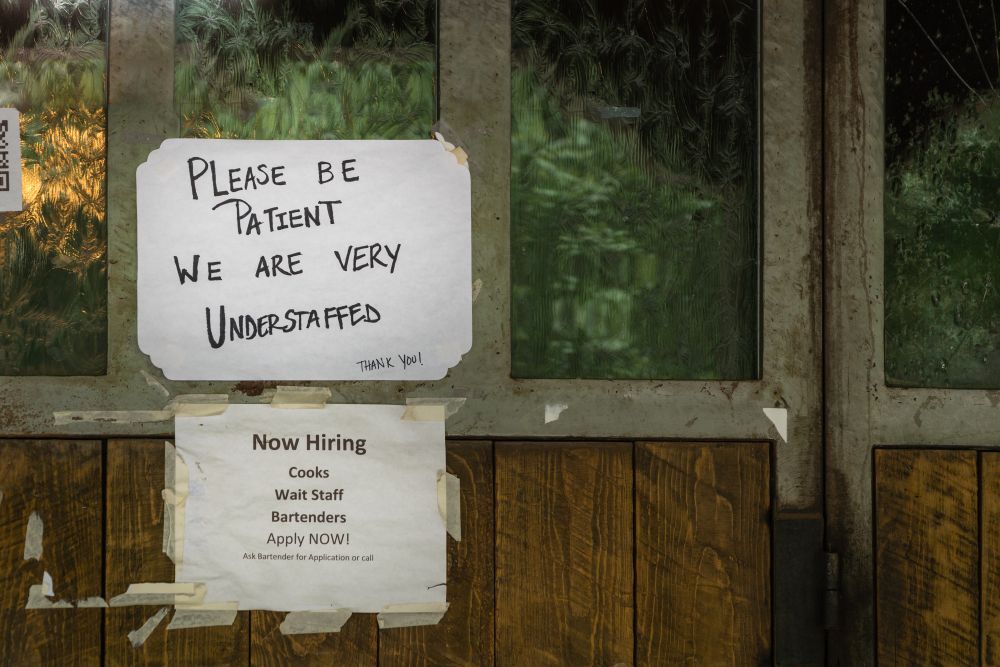
In the piece, Schlomach argues that minimum wage increases can reduce employment opportunities for teenagers and lower-skilled workers, limiting early job experiences that help young people build workplace habits, financial responsibility and independence.
“As a student of economics, the subject in which I earned my PhD, I came to dislike the minimum wage for its economic impact,” Schlomach wrote. “But, as I learned more, I came to hate the minimum wage for its discriminatory impact along socio-economic lines.”
Schlomach wrote that SQ 832 is being presented by supporters as a way to help workers, but he argues the policy could instead make it harder for some Oklahomans to enter the workforce and gain early career experience.