Farm Bureau: Data center growth brings opportunity, resource pressures for agriculture
The American Farm Bureau Federation says rural communities can benefit from data center investment, but land use, water, energy, and local planning will be critical.
OKLAHOMA CITY (OBV) — As demand for data centers continues to grow, the American Farm Bureau Federation says rural communities face both economic opportunity and new pressure on land, water, and energy resources.
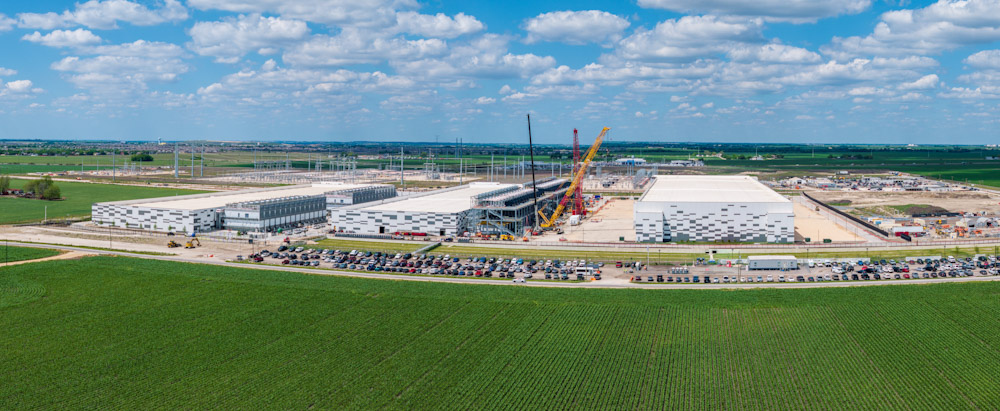
In a new Market Intel report, AFBF said data centers are increasingly being developed in rural areas because of land availability, access to energy, and proximity to transmission infrastructure. The organization estimated there are 4,925 active or under-construction data centers across the United States.
The report said data centers can bring major economic benefits, including jobs, local tax revenue, infrastructure improvements, and long-term investment. Construction costs can range from $9 million to $15 million per megawatt, meaning a typical 250-megawatt facility can cost between $2.3 billion and $3.8 billion.
However, AFBF said the growth of data centers also raises important questions for agriculture. Farms and ranches depend on land, water, and energy, the same resources data centers often require at scale.
“For agriculture, this trend presents both opportunity and risk,” the report states. “Farms and ranches depend on land, water and energy, the same inputs data centers require at scale. At the same time, agriculture increasingly depends on the digital infrastructure data centers provide.”
The report said farmland conversion is generally permanent, making site selection and local land-use policy important for long-term agricultural viability. Developers often seek agricultural land because it is already cleared, graded, and available in large contiguous tracts, which can lower development costs and shorten project timelines.
AFBF also said increased interest in rural land can affect land values, including by creating speculative pressure in areas where land may be rezoned for industrial development. The report noted that farmland sales tied to data center development can also affect land values elsewhere when proceeds are reinvested through like-kind exchanges.
Energy demand is another key issue. AFBF said electricity expenditures on U.S. farms are forecast to increase 48% from 2019 to 2026, rising from $5.75 billion to $8.5 billion. At the same time, the U.S. Department of Energy estimates data centers used about 4.4% of U.S. electricity in 2023, with that share projected to rise to between 6.7% and 12% by 2028.
The report said grid investments will be needed to support growing electricity demand, and policymakers should ensure those costs are not shifted disproportionately onto farm operations.
Water use also remains a concern in agricultural regions, especially where supplies are limited. AFBF said water-efficient cooling systems, including closed-loop cooling, can help reduce impacts, but transparency and accountability around water use will be important for maintaining trust.
AFBF said it supports responsible data center development in rural areas when projects provide meaningful economic benefits, respect private property rights, and protect local resources.
The organization said policymakers should treat farmland as a strategic economic asset, prioritize brownfields or previously developed sites when possible, and ensure zoning and permitting decisions are transparent and include early engagement with landowners and local stakeholders.
“Rural communities can support both agriculture and responsible data center development, with farmers, ranchers and landowners ultimately deciding how their private property is used,” the report states. “Smart site selection, local engagement, and long-term planning can ensure rural America remains both a hub for agricultural production and a partner in responsible technological growth.”