
Meta Expands Nuclear Energy Commitments to Power AI Infrastructure
Meta’s nuclear energy investments highlight how power availability and permitting flexibility are becoming central to economic competitiveness.
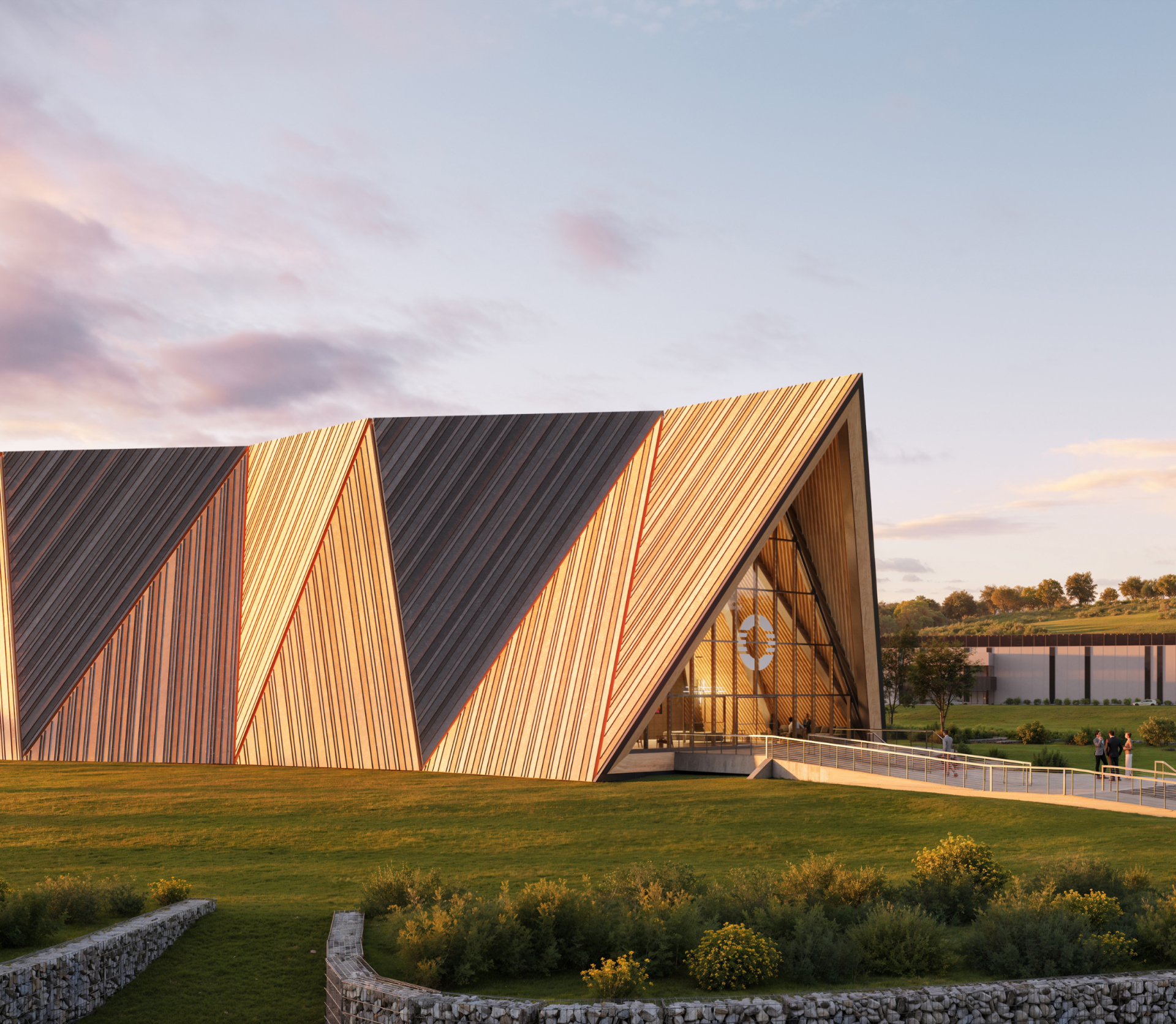
OKLAHOMA CITY (OBV) — Meta announced a new slate of nuclear energy agreements that will support operating power plants, accelerate advanced reactor development, and add up to 6.6 gigawatts of clean, reliable electricity to U.S. electric grids over the next decade.
The agreements position Meta as one of the largest corporate purchasers of nuclear energy in the United States.
According to the company, the projects will extend the life of existing nuclear facilities, support next-generation reactor technologies, and generate thousands of construction jobs and hundreds of long-term operational jobs in multiple states.
“Our agreements with Vistra, TerraPower, Oklo, and Constellation make Meta one of the most significant corporate purchasers of nuclear energy in American history,” said Joel Kaplan, Meta’s chief global affairs officer. “State-of-the-art data centers and AI infrastructure are essential to securing America’s position as a global leader in AI.”
Energy as a Competitive Constraint
Meta’s announcement underscores a broader issue facing states competing for data centers, advanced manufacturing, and other power-intensive investments: access to firm, reliable energy and the ability to deploy it quickly.
That theme surfaced this week in a separate OBV interview with Kevin Stitt, who argued that states must give companies more flexibility to meet their own power needs. Stitt pointed to recent Oklahoma policy changes that allow large users to develop on-site generation, including gas turbines, rather than relying solely on traditional utility supply.
Supporting Grid Reliability and New Technology
Meta’s nuclear portfolio spans both existing plants and emerging reactor designs.
Through agreements with Vistra, Meta will purchase power from operating nuclear facilities in Ohio and Pennsylvania, supporting continued investment in plant operations and grid reliability.
The company is also backing advanced nuclear developers TerraPower and Oklo, providing funding and long-term commitments intended to bring new nuclear capacity online in the 2030s.
“These agreements are designed to support the rapid deployment of advanced nuclear technologies that provide reliable, carbon-free power,” said Chris Levesque, president and CEO of TerraPower.
Implications for Business and States
Meta said it pays the full cost of electricity used by its data centers and plans energy needs years in advance, with the goal of supporting broader grid stability rather than shifting costs to consumers.
Over the past decade, the company has invested in nearly 28 gigawatts of clean energy projects across 27 states, with nuclear energy playing a growing role as electricity demand rises.
Photo courtesy Meta.