
Oklahoma weighs grid growth, ratepayer protections as large-load demand rises
The State Chamber said a well-designed approach can help Oklahoma compete for major investments without shifting disproportionate costs to existing utility customers.
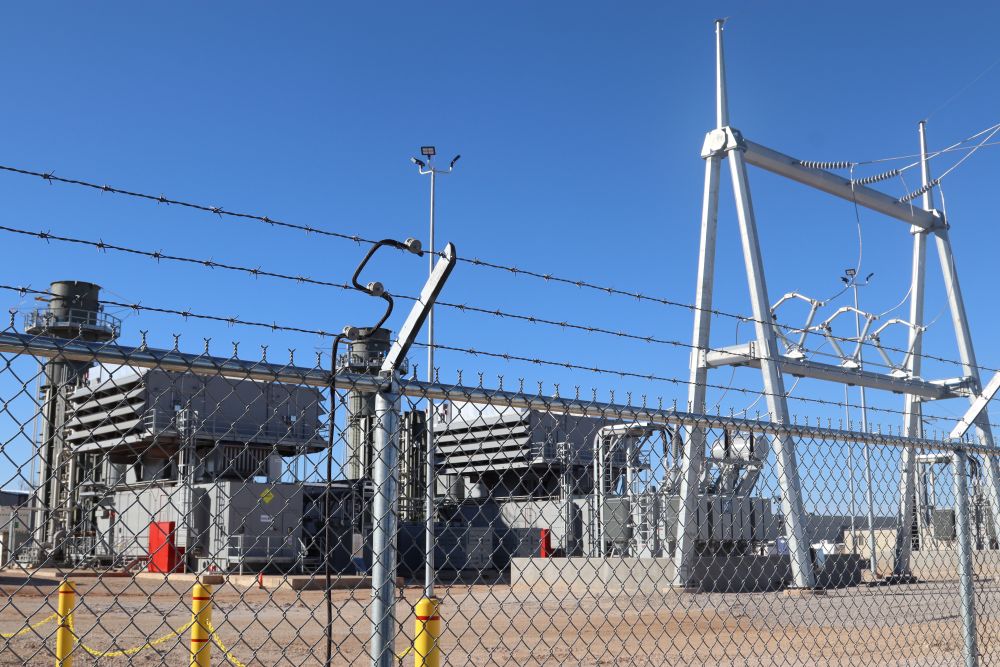
OKLAHOMA CITY (OBV) — As Oklahoma prepares for the electricity demands tied to data centers, advanced manufacturing, and other large-scale projects, state leaders are weighing how to expand grid capacity while protecting current utility customers.
The question is central to ongoing discussions around large-load tariff structures before the Oklahoma Corporation Commission. Those policies could shape how utilities recover the costs of infrastructure needed to serve major new electricity users.
The State Chamber of Oklahoma said the state’s approach should recognize both sides of the equation: Oklahoma needs a reliable, affordable, and scalable grid to compete for job-creating investment, and existing residential, commercial, and small-business customers should not be asked to absorb costs primarily associated with new demand.
“Oklahoma is in a strong position to compete for the kinds of projects that bring jobs, expand the tax base, and strengthen communities,” said Dalton Miller, government affairs director for The State Chamber of Oklahoma. “The challenge is making sure our infrastructure keeps pace in a way that is fair to the customers already on the system.”
The Chamber said large-load customers should bear an appropriate share of the investments required to serve their demand. It also pointed to tools such as long-term service commitments, minimum billing requirements, financial assurances, and other contractual protections that can reduce the risk of stranded costs if projected demand does not materialize.
At the same time, infrastructure built for large new customers can create broader benefits when it is planned well, including improved reliability, resilience, and additional capacity for the electric system.
The discussion in Oklahoma also reflects a broader national focus on protecting customers as electricity demand from data centers and other large users grows. The White House’s Ratepayer Protection Pledge calls on participating hyperscalers and AI companies to cover the cost of new generation and delivery infrastructure needed for their projects, pay for committed power and infrastructure even when it is not fully used, and support broader grid and community resilience.
Miller said Oklahoma’s approach should follow the same basic principle: large new customers should help create the capacity they need without shifting undue risk to households and existing employers.
“Growth and ratepayer protection are not competing goals,” Miller said. “A thoughtful framework can give utilities the certainty to make needed investments, help Oklahoma remain competitive, and make sure the costs of new demand are allocated fairly.”