NewsPolicy
A degree, sooner
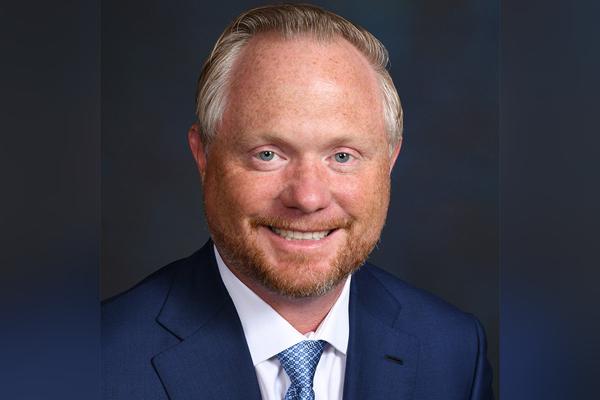
Oklahoma approved four bachelor’s programs requiring fewer credits. Rep. Ryan Eaves explains why he pushed for the change—and what he wants to see next.
Oklahoma approved four bachelor’s programs requiring fewer credits. Rep. Ryan Eaves explains why he pushed for the change—and what he wants to see next.
A new Oklahoma Technology Alliance report highlights the need to turn university discoveries into businesses and prepare workers for an economy shaped by AI.
The Oct. 22 Oklahoma Prosperity Summit will connect university research, emerging industries, and regional workforce development in a conversation about the state’s innovation economy.
The three-year Shale 2.0 project could put Oklahoma’s existing energy infrastructure to work supplying materials for technology, manufacturing, and defense.
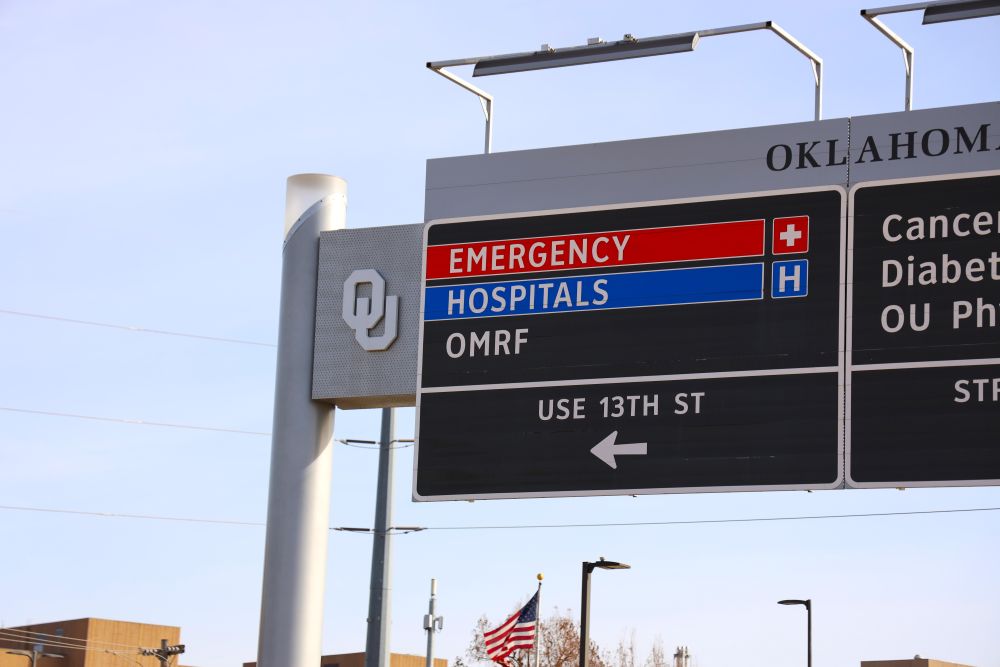
The investment includes $50 million for diabetes research and $100 million to educate health professionals, recruit researchers, and expand OU’s medical research infrastructure.
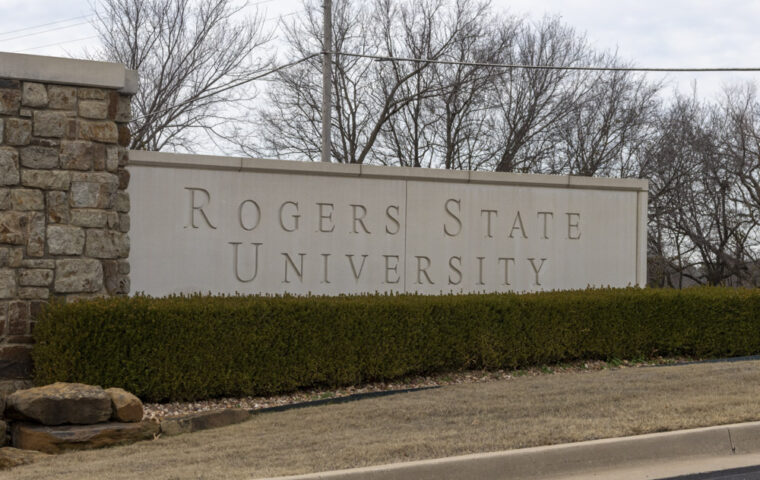
New programs at OU, OSU, and Rogers State University will require between 90 and 103 credit hours, compared with the traditional minimum of 120.
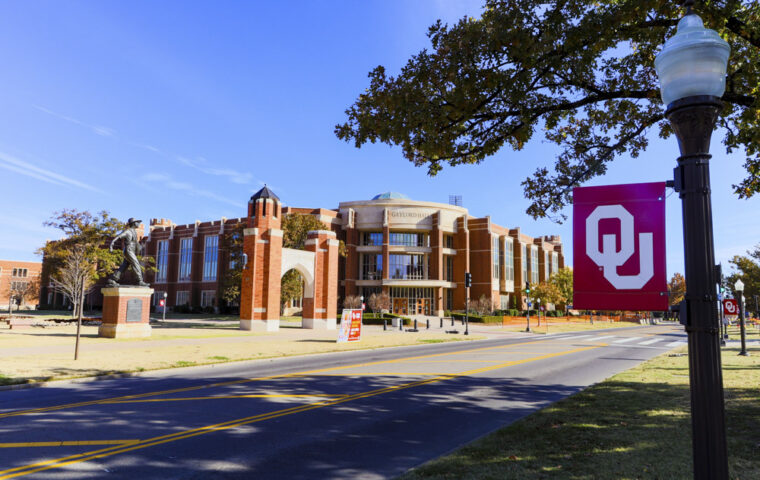
The university will organize its defense research around six mission areas, including radar, autonomous systems, advanced manufacturing, and workforce training.
The gift will support OU Health’s expansion of comprehensive cancer care in northeastern Oklahoma.
Dustin Hilliary was confirmed Tuesday after lawmakers previously used his nomination hearing to discuss higher education, research and Oklahoma’s tech-transfer strategy.
Hilliary’s nomination moved out of Senate Rules as Sen. Kristen Thompson tied OU’s AAU ambitions to economic growth and the state’s broader push to convert research into jobs.