Dustin Hilliary wants Oklahoma to think bigger
The State Chamber’s new chair built a broadband company in rural Oklahoma, helped negotiate the state budget, and is pushing for a more competitive future built on innovation, investment, and engagement.
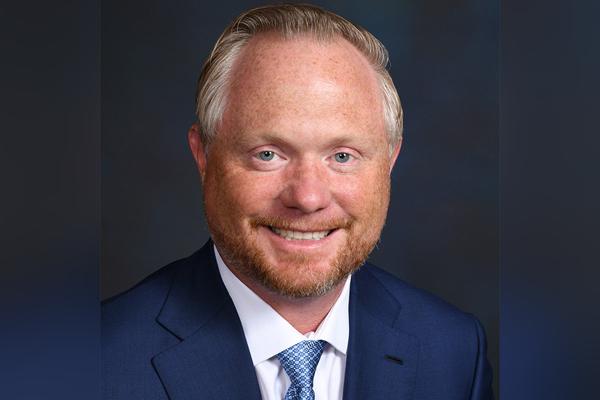
Dustin Hilliary has spent his career connecting people.
As co-CEO of Hilliary Communications, he helped grow a family-owned broadband and telecommunications company serving communities across Oklahoma, Texas, and Iowa. The Elgin-based company employs more than 250 people and provides internet and telephone service in places where reliable connectivity can shape whether a business expands, a student learns, or a community keeps pace.
Hilliary also oversees a network of local newspapers and radio stations. He serves in higher education leadership, works closely with the governor’s office, and now takes on a new role as chair of The State Chamber of Oklahoma.
It’s a full slate by any reasonable measure, but Hilliary sees the roles as connected.
“The State Chamber is aligned with a lot of the things we do,” Hilliary said. “It helps Oklahoma move forward through business-friendly policies and the things that make the state more attractive for economic development and investment.”
As chair, Hilliary said he wants to focus on the work that determines whether Oklahoma can compete for the next generation of jobs and investment: research, innovation, workforce development, higher education, infrastructure, and a business climate that gives employers confidence to grow.
At the center of that vision is a simple belief.
“When you invest back in yourself, those are the biggest returns you get,” Hilliary said. “Whether it’s self-help that you are doing as an individual or the state investing in itself through research, universities, and economic development, that’s what brings new industry and new businesses to Oklahoma.”
For Hilliary, innovation is the route to better jobs, stronger communities, and a state economy with more options for Oklahomans.
“That’s what will offer new opportunities for our citizens to get better jobs, higher-paying jobs, and truly grow our economy,” he said.
His experience has given him a view of Oklahoma from several angles.
He spent four years on the Oklahoma State Regents for Higher Education and was appointed this year to the University of Oklahoma Board of Regents. Hilliary said his time working with higher education gave him a close understanding of how universities are funded and how they can contribute to the state’s long-term economic future.
“The University of Oklahoma is the flagship research university for the state,” Hilliary said. “We need to invest in it and continue to compete not only against institutions here in the state, but on a national level.”
That competition, he said, is about more than attracting students to campus. It is about convincing graduates to build their lives and careers in Oklahoma.
“We want to make sure we are attracting every Oklahoman to our university, but we also want to attract people from across the country to come here, go to the University of Oklahoma, and then become a member of our economy here in Oklahoma,” Hilliary said. “They love it here. They love the Oklahoma Standard and choose this as a place to live.”
Hilliary also recently served as lead negotiator and senior adviser to Gov. Kevin Stitt, working with legislative appropriators and the governor’s team during the 2026 budget process.
The work was detailed, often involving line-by-line conversations about funding priorities, but Hilliary said the process showed what can happen when leaders come prepared to work.
“Everybody comes with their own agendas and their own initiatives, but we were able to work through those, put the egos aside, and go to work for everyday Oklahomans,” he said. “You can get a lot done pretty quick.”
The budget was completed early enough to separate appropriations from other legislative debates, allowing policy issues to stand on their own rather than becoming bargaining chips in a larger budget fight.
Hilliary said that approach produced investments in teacher pay, economic development, and other priorities important to Oklahoma’s future.
As State Chamber chair, he said he wants businesses of every size and from every part of the state involved in shaping that future.
“I tell people all the time, you have got to be engaged,” Hilliary said. “If you are not in the room, somebody is cutting the deal without you.”
That applies to tax policy, regulations, workforce issues, infrastructure, and the other decisions that affect employers long before they make headlines.
“There has to be somebody fighting for our business community every day,” Hilliary said. “I would encourage small businesses, medium businesses, and large businesses to get together because each person brings their own perspective, whether it is from their industry, their size, or their part of the state.”
Hilliary’s view of economic development begins with the businesses already here.
Oklahoma must create the conditions that allow its existing employers to invest, hire, and expand, he said. At the same time, it must remain ready to attract businesses from across the country looking for a place to relocate or grow.
“Our colleges are producing graduates every day. Our population is growing,” Hilliary said. “We have got to have new jobs, and we have got to have the climate that entices our existing businesses to grow first and foremost, but secondly attracts businesses from all over the country to relocate here or expand here.”
That means sustained attention to the fundamentals: a prepared workforce, competitive tax and regulatory policies, reliable infrastructure, strong communities, and a willingness to invest in what comes next.
For Hilliary, the work is practical and personal.
He grew up and built a business in Oklahoma. He’s seen what happens when communities gain access to the tools they need to compete. Now, as chair of The State Chamber, he wants more of the state to have that same opportunity.
“We are building a pro-business climate in Oklahoma,” Hilliary said. “That starts with the State Chamber.”