State Chamber: Drummond filing threatens Oklahoma’s ability to win transformational projects
The State Chamber said Oklahoma can protect clean air and water without allowing political gamesmanship to undermine major advanced manufacturing and national-security investments.
OKLAHOMA CITY (OBV) — Oklahoma Attorney General Gentner Drummond’s move to block a proposed aluminum smelting facility in Inola is raising concerns among business leaders about whether political interference could undermine Oklahoma’s ability to compete for major economic development projects.
Drummond filed a petition Tuesday in Rogers County District Court seeking to stop development of the proposed Oklahoma Primary Aluminum project. The project has been described by federal and state officials as the largest single-project investment in Oklahoma history and by supporters as a major domestic manufacturing and national-security supply chain project.
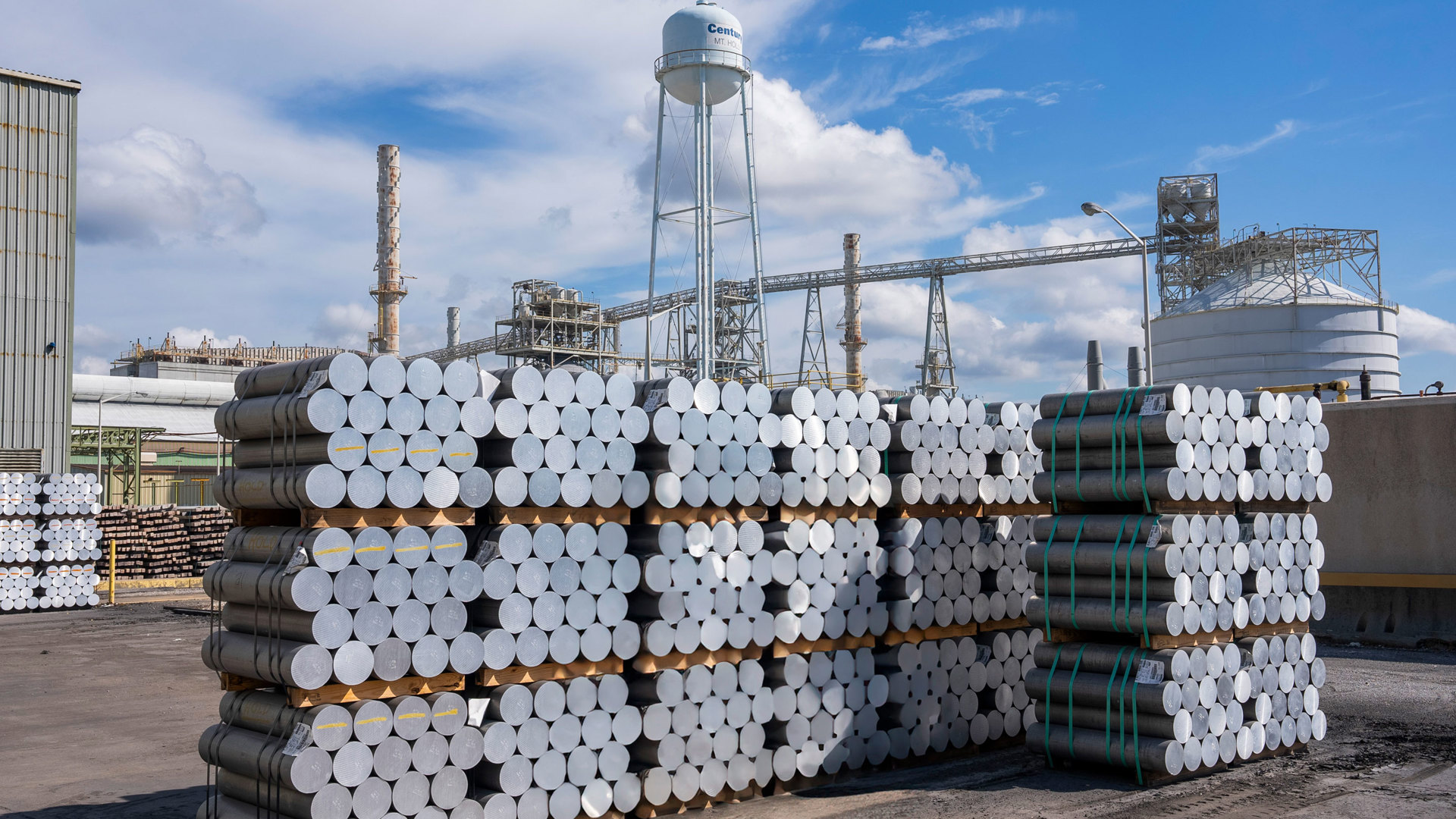
The proposed facility would be located near Inola and would produce primary aluminum, a material used in manufacturing, infrastructure, aerospace, and defense-related supply chains.
The project is currently going through established regulatory and permitting review. Supporters argue questions about environmental impact, water use, power demand, and community risk should be addressed through that process—not short-circuited by litigation before the review is complete.
In 2025, the project received strong support from legislative leaders when lawmakers approved the Reindustrialize Oklahoma Act.
Senate Pro Tem Lonnie Paxton at the time called it “a historic day for Oklahoma” and said the state was sending “a clear message to the world” that Oklahoma is “open for business and ready to lead the next era of American manufacturing.” House Speaker Kyle Hilbert called the incentive package “a generational opportunity to restore America’s manufacturing dominance and create meaningful jobs for our communities,” adding that Oklahoma was “proud to lead the way.”
For Oklahoma’s business community, the larger concern is whether the state can provide a clear, fair, and predictable path for transformational projects that have followed the rules and submitted to the required vetting.
“Oklahoma can and should protect clean air and water while also maintaining a fair, fact-based, and predictable process for major economic development projects,” said Chad Warmington, president and CEO of The State Chamber of Oklahoma. “This project is going through the process. The company has done what it is supposed to do.”
The filing comes as Oklahoma is trying to position itself for more advanced manufacturing, energy, aerospace, defense, and critical supply-chain investment. Those projects can bring major economic benefits while also raising serious questions about infrastructure, power, water, emissions, and local impact.
Warmington said the lawsuit has less to do with the merits of the project than with political positioning.
“For decades, Oklahoma has talked about wanting to compete for advanced manufacturing, major capital investment, and national-security supply chain projects,” Warmington said. “Now that we have a real opportunity to win one, we should not let politics sabotage it.”
Warmington said the concerns being raised deserve serious review, but that review should occur through the appropriate regulatory process.
“No one is saying major industrial projects should get a free pass,” Warmington said. “They should meet every applicable environmental, safety, and permitting standard. Communities deserve confidence that those standards will be met. But there is a big difference between rigorous review and using litigation as a political weapon.”
“This is the first major advanced manufacturing economic development project of this scale that Oklahoma has had an opportunity to win in decades,” Warmington said. “It would be transformational for our economy. It would send a signal that Oklahoma can compete for the next generation of manufacturing and supply-chain investment.”
The proposed project also has implications beyond Oklahoma. It’s part of a broader national effort to strengthen domestic production capacity for materials critical to manufacturing and defense. Aluminum is widely used across transportation, construction, aerospace, energy, and military applications.
The project has drawn support from federal officials as well. After returning from a trip to the Middle East, then-U.S. Sen. Markwayne Mullin said he was “excited about the future” and “proud to play a part” in helping bring the EGA project to Oklahoma.
“We should be the state that says: bring us your best projects, follow the rules, meet the standards, be a good neighbor, and we will give you a fair process,” Warmington said. “That is how Oklahoma wins. What we cannot do is move the goalposts after the fact because of a political opportunity.”