
NewsWorkforce
OU Polytechnic Institute receives $1M Google grant for cybersecurity clinic
The Tulsa-based clinic will provide faculty-supervised risk assessments for small manufacturers, nonprofits and tribal businesses.
The Tulsa-based clinic will provide faculty-supervised risk assessments for small manufacturers, nonprofits and tribal businesses.
A Wall Street Journal opinion column argues that fewer teenagers are getting early work experience at a time when entry-level summer jobs are becoming…
The proposed formula would tie more state funding to enrollment, completion, student opportunity and workforce outcomes.
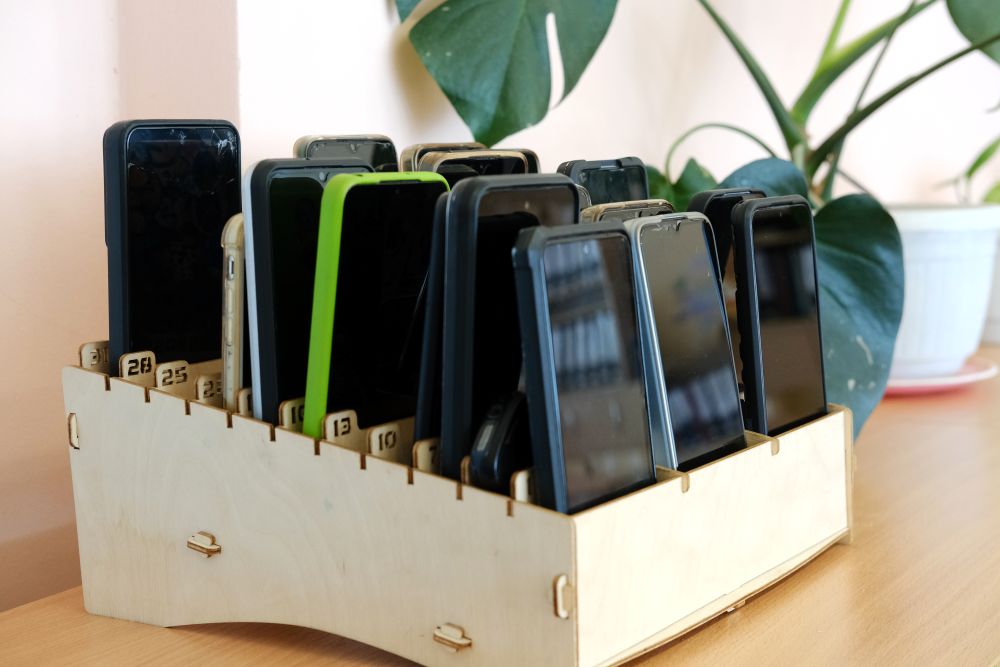
Gov. Kevin Stitt signed HB 1276 into law, extending a statewide school cell phone restriction that began as a one-year pilot backed by Sen. Ally Seifried.
Dan Hamlin said the legislative session delivered major changes on literacy, instructional time, teacher pay, school choice, and classroom cell phone restrictions.
The 2026 survey found business leaders are optimistic about Oklahoma’s direction, but remain focused on workforce, infrastructure, innovation, and long-term competitiveness.
A new survey found broad support for the Strong Readers Act, including parent notification, early intervention and third-grade reading accountability.
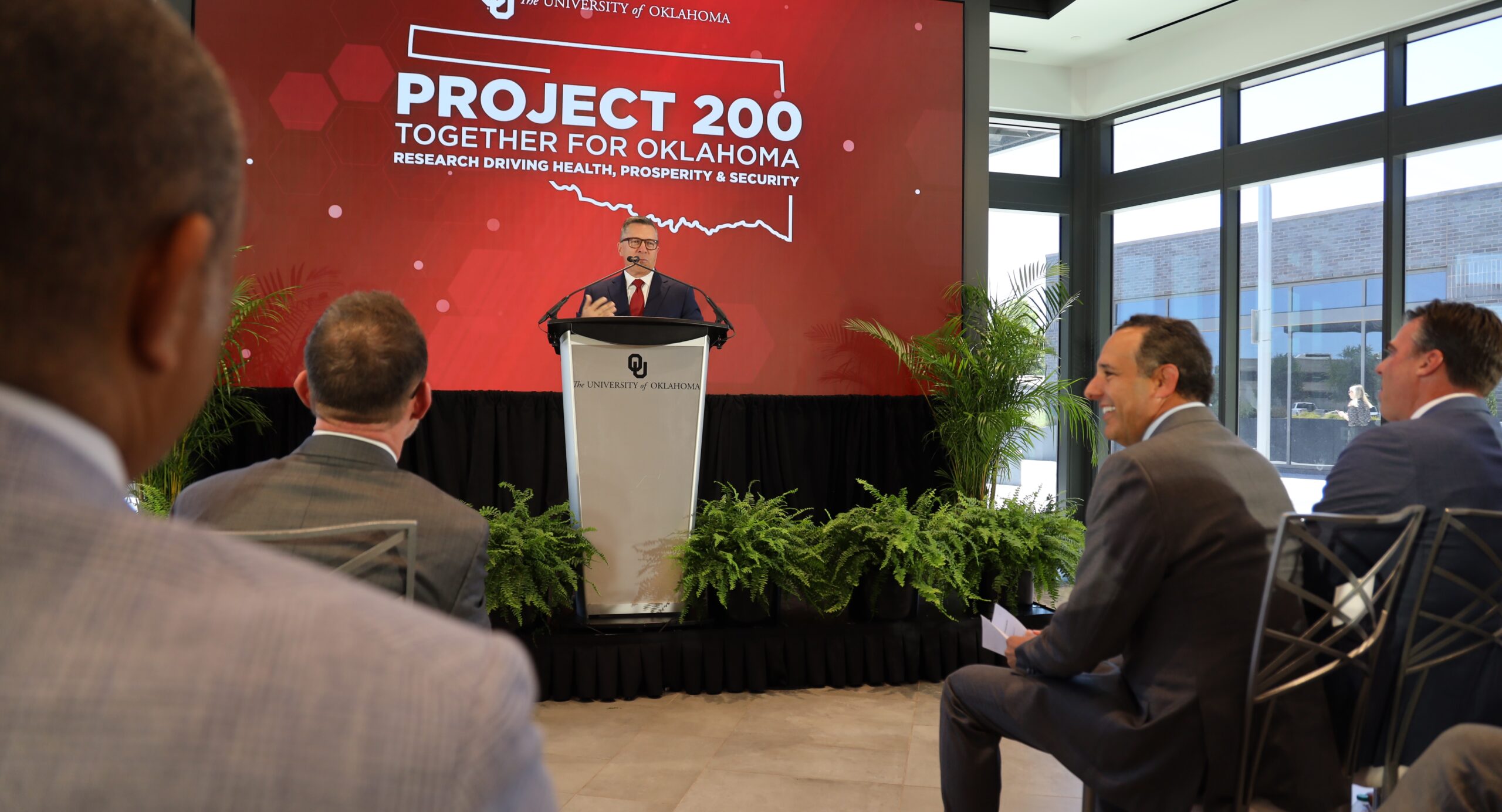
The University of Oklahoma initiative will recruit 200 researchers by 2032, with Oklahoma business leaders calling it a major investment in the state’s competitiveness.
The national unemployment rate held steady at 4.3%, while job gains were concentrated in health care, transportation and warehousing, and retail.
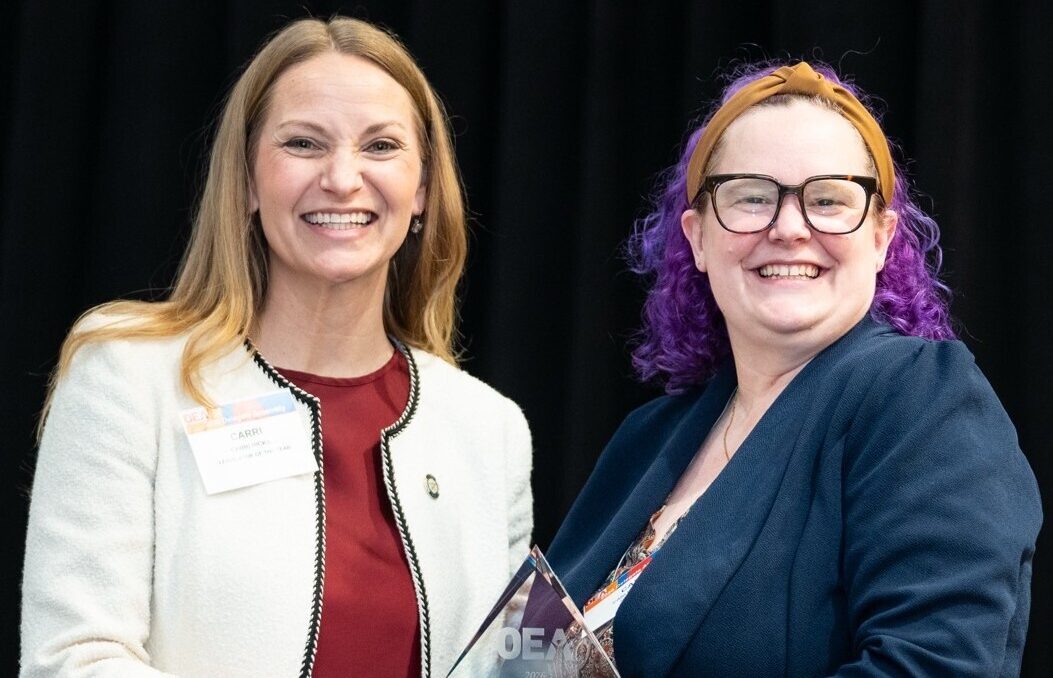
The Oklahoma City senator was recognized for her advocacy on public education, literacy and teacher support.
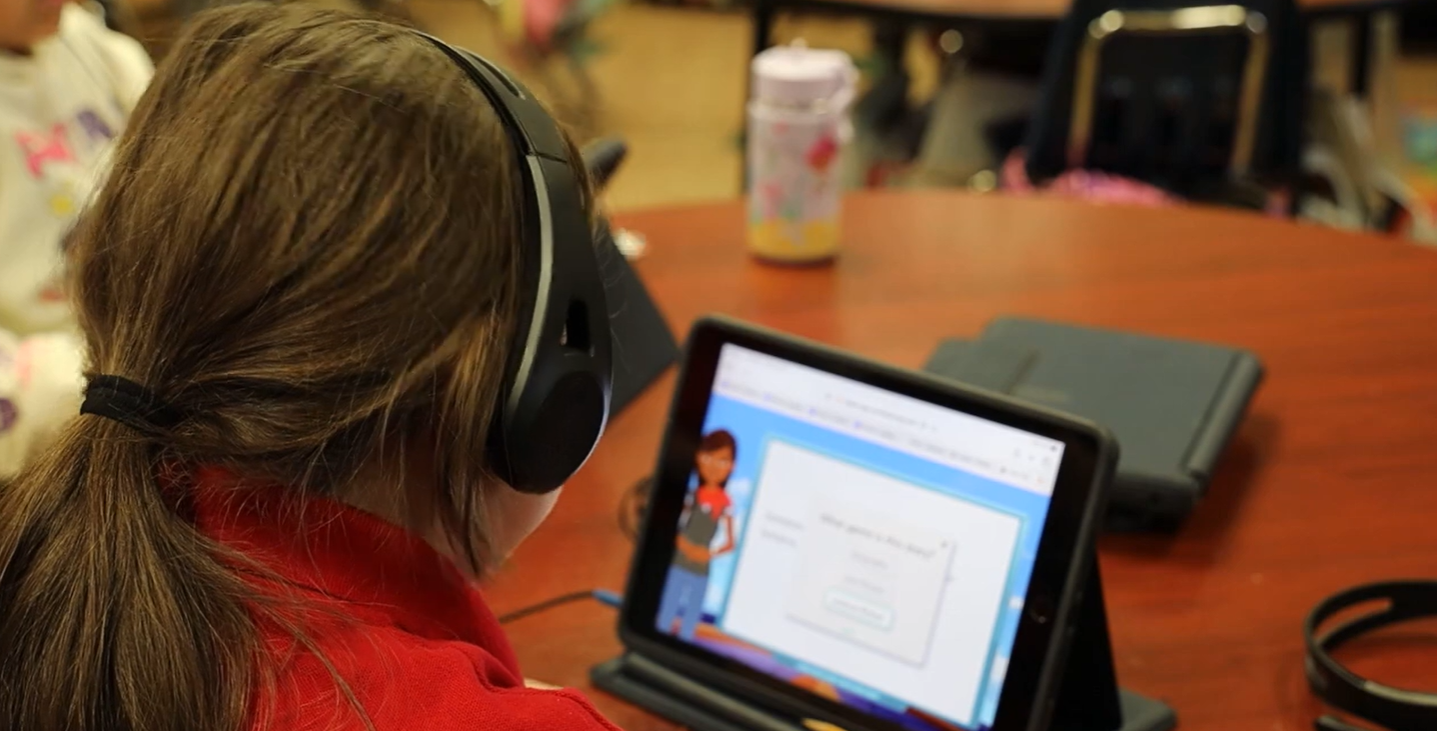
State lawmakers, education leaders and State Chamber staff visited Coolidge Elementary to see how Amira Learning is supporting early literacy instruction.
The 2026 Oklahoma Education Poll found broad dissatisfaction with the state’s schools, but strong support for policies tied to literacy, testing, cellphone limits, teacher pay and accountability.